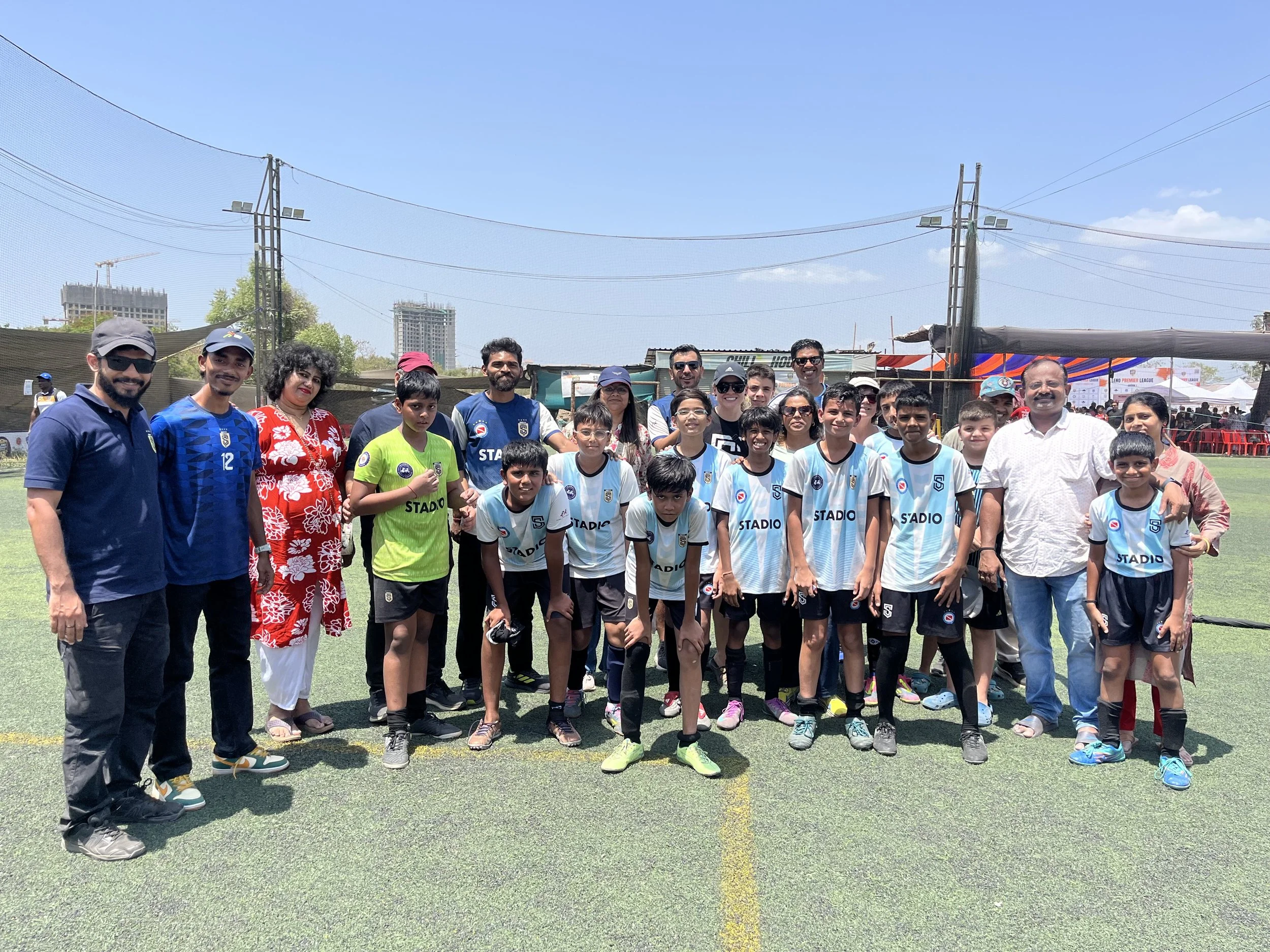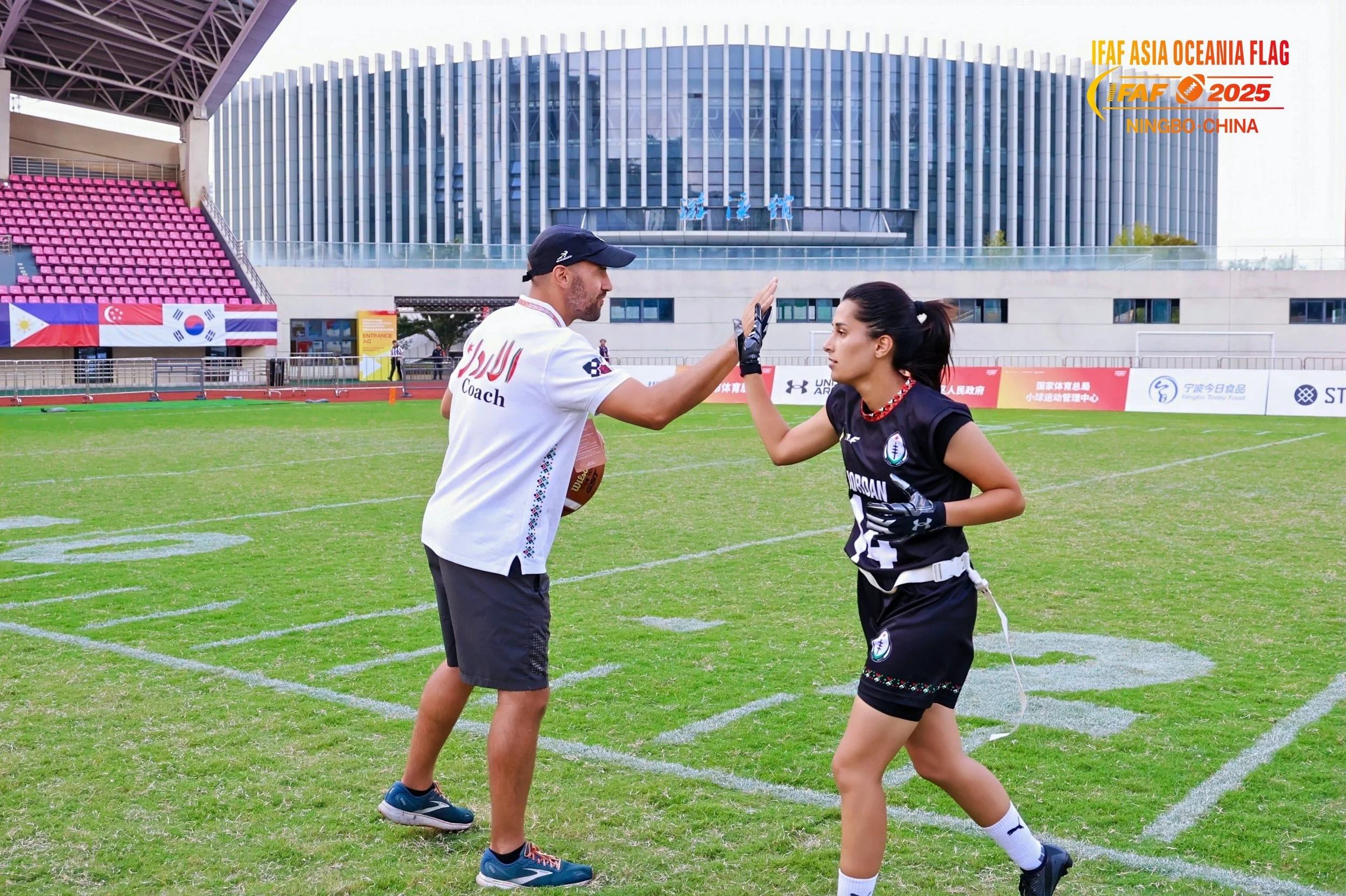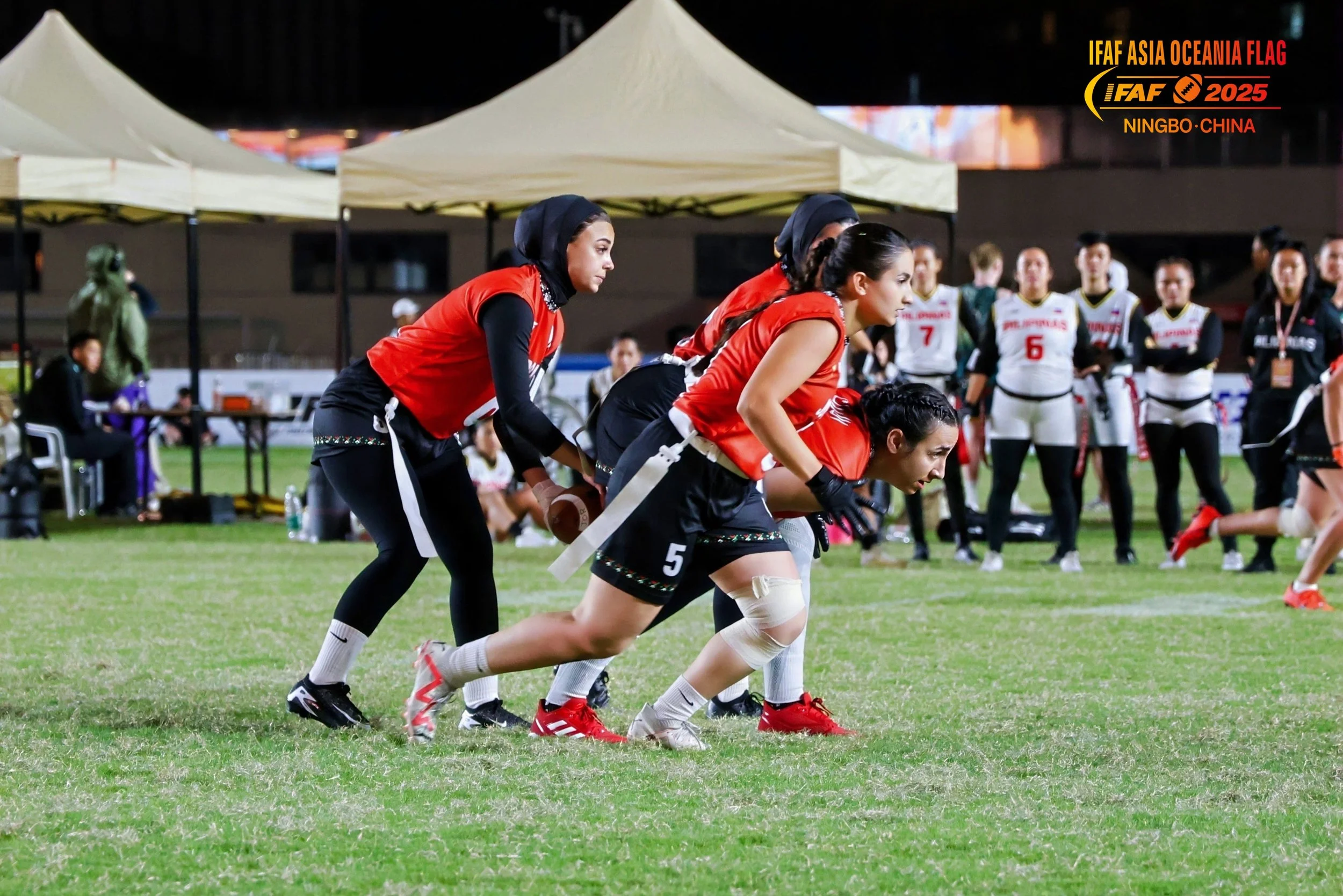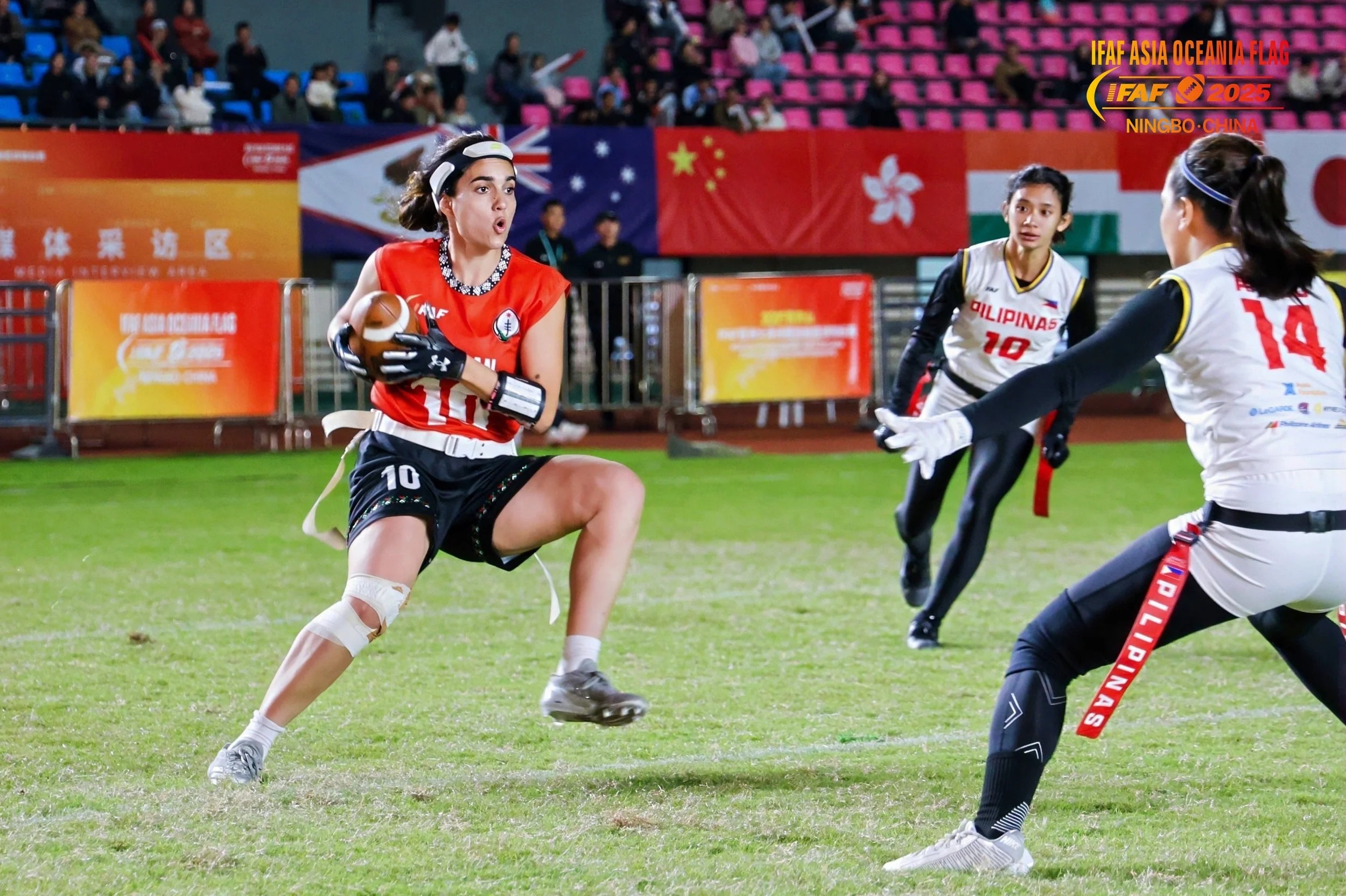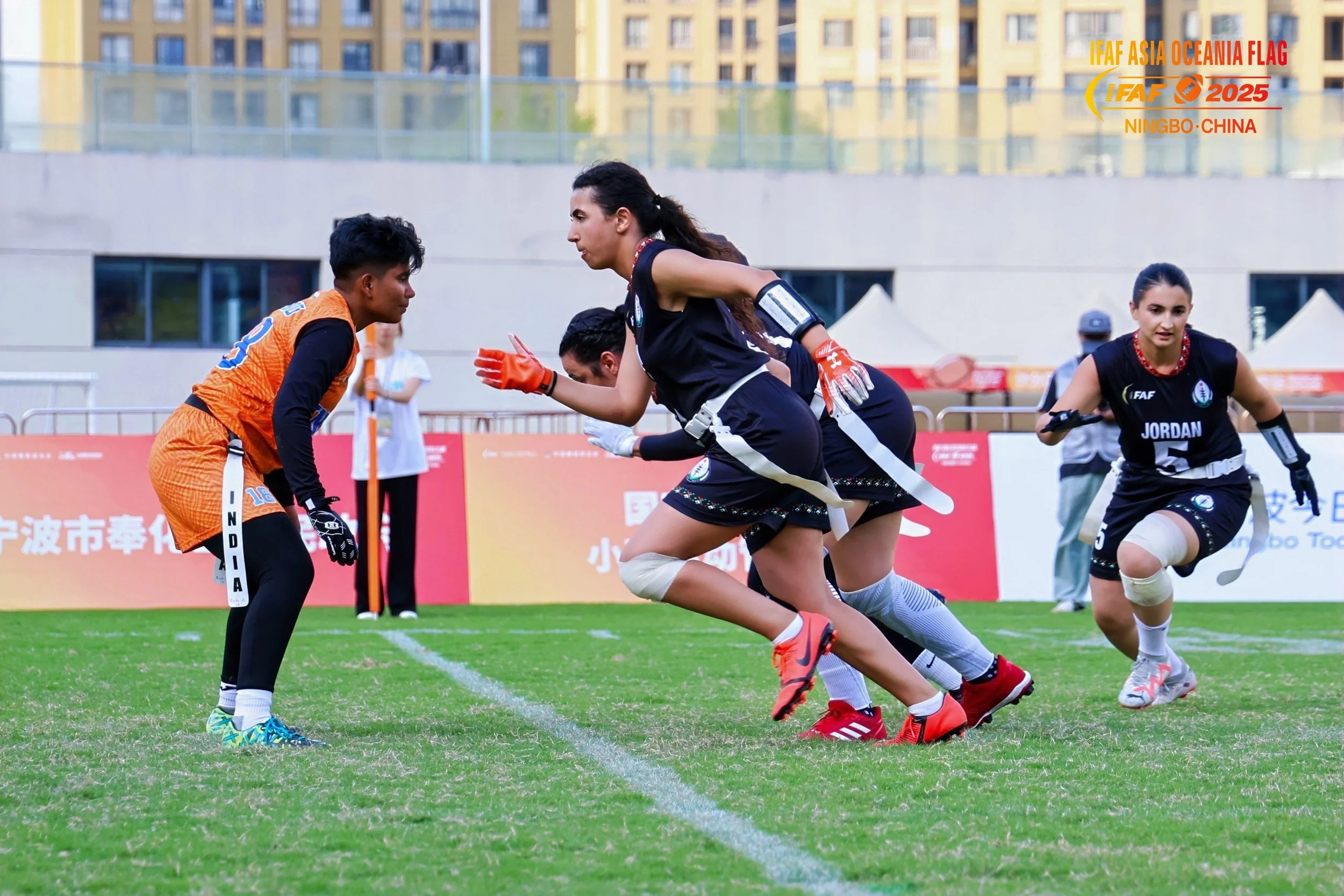

Jeddah, Saudi Arabia — In April 2026, Global Sports Partners Representative Gonzalo Galdame joined TeamUp Academy in Jeddah as Sports Director, bringing his passion for sports development, coaching, and community engagement to the academy.
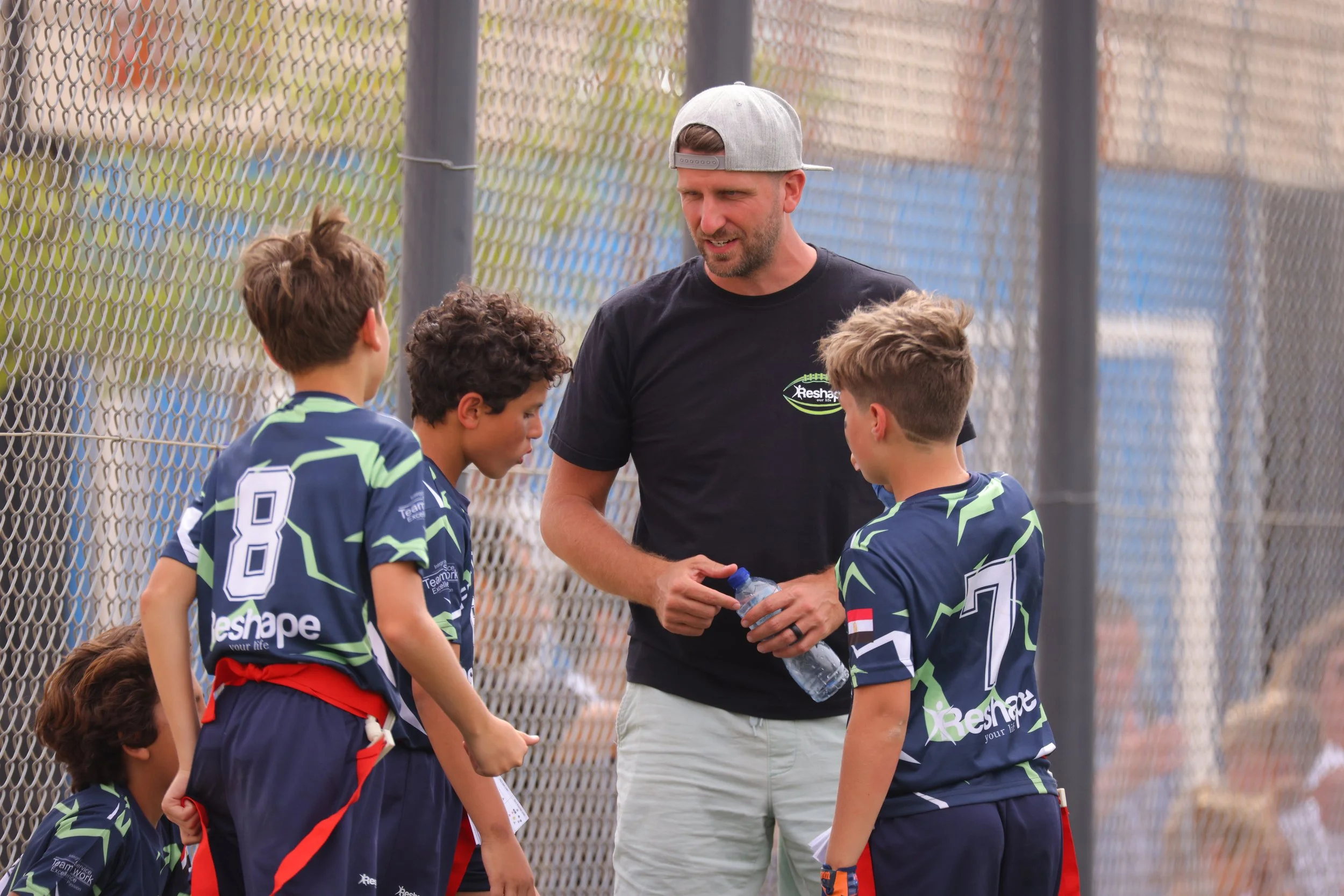
Gonzalo was drawn to TeamUp by the opportunity to continue developing sports abroad while contributing to a community that embraces sports as a way of life. In his role as Sports Director, he leads and enhances the academy’s sports programs while supporting coaches through training, mentorship, and the implementation of effective coaching methodologies.
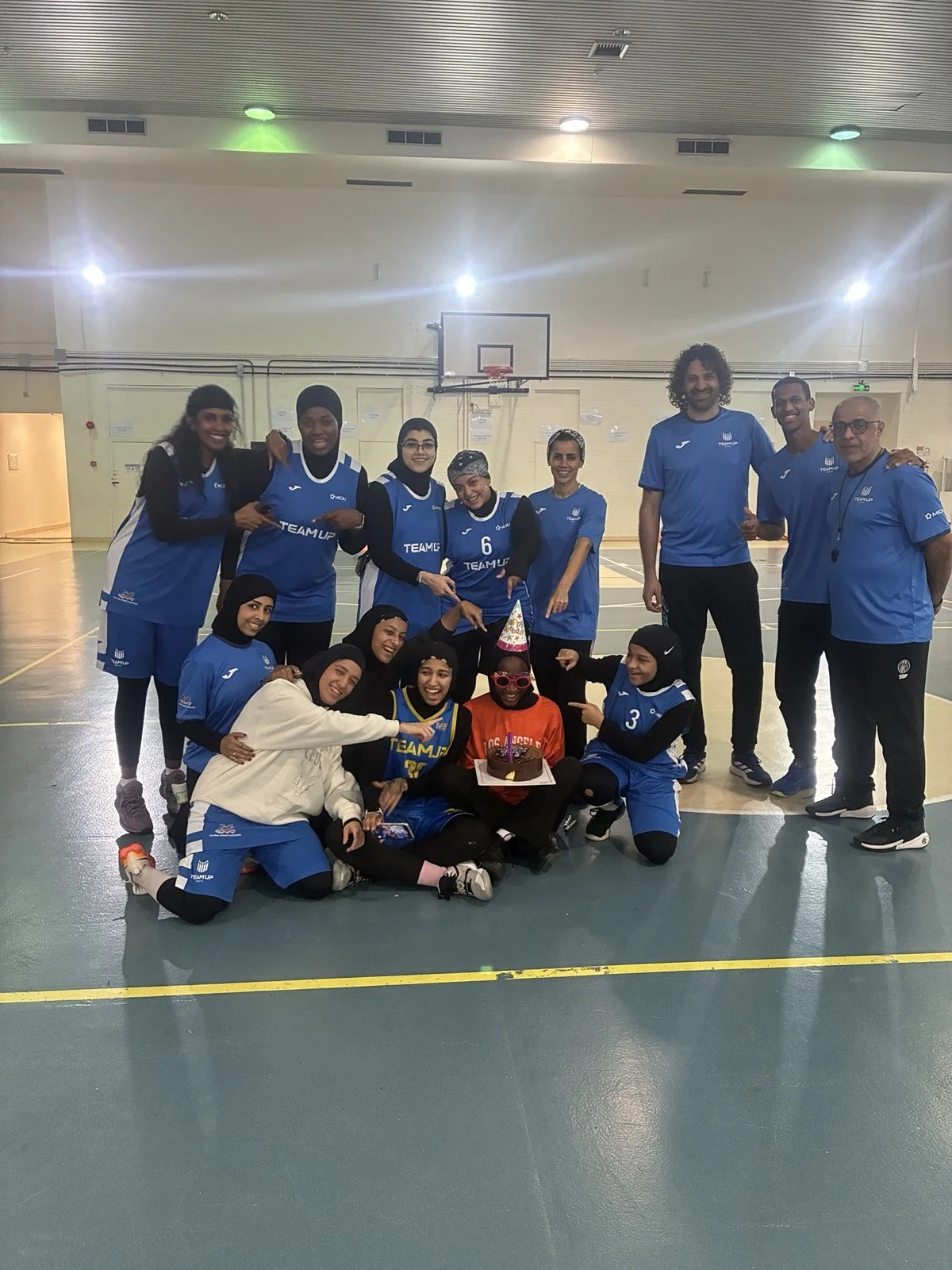
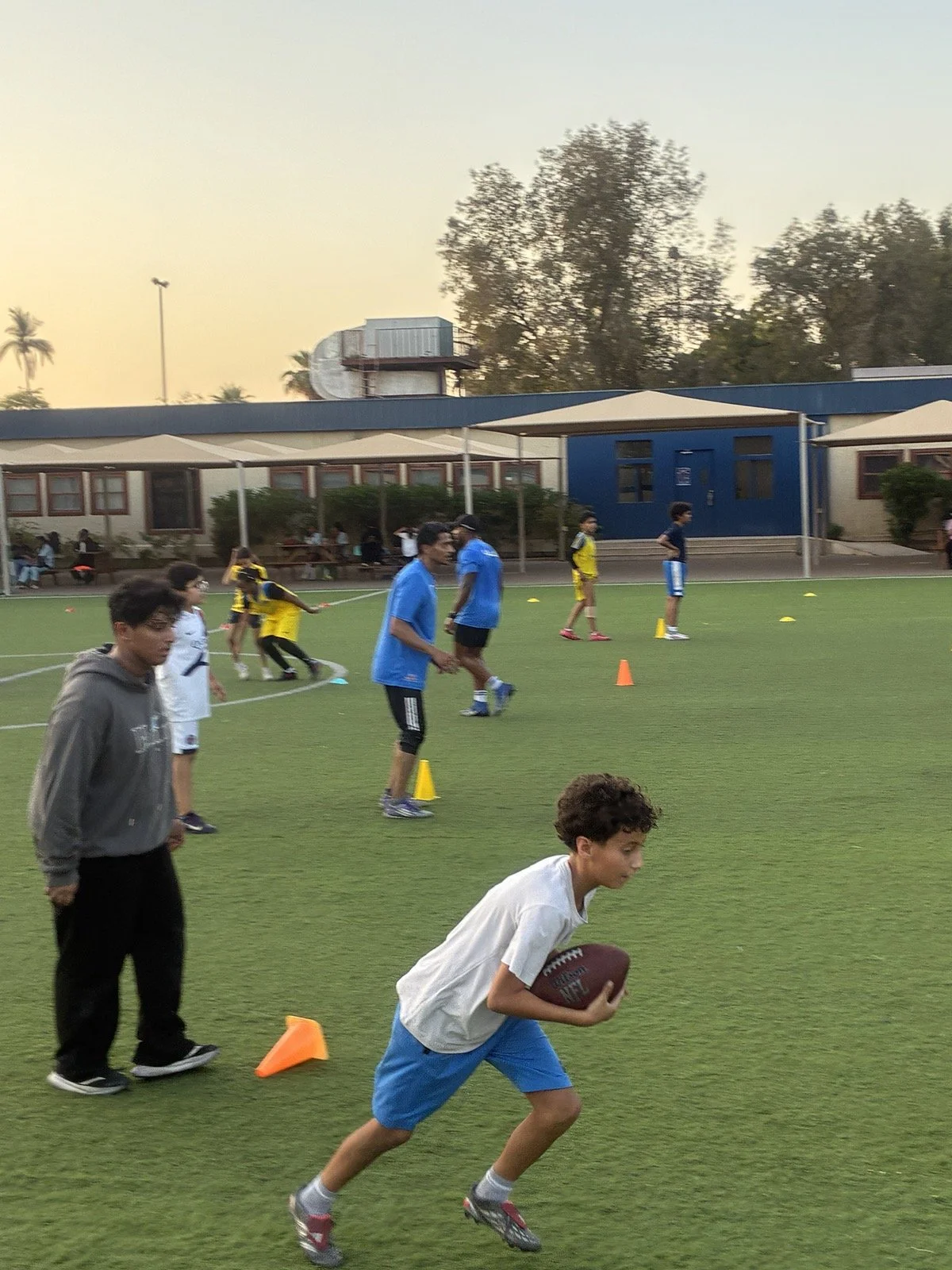
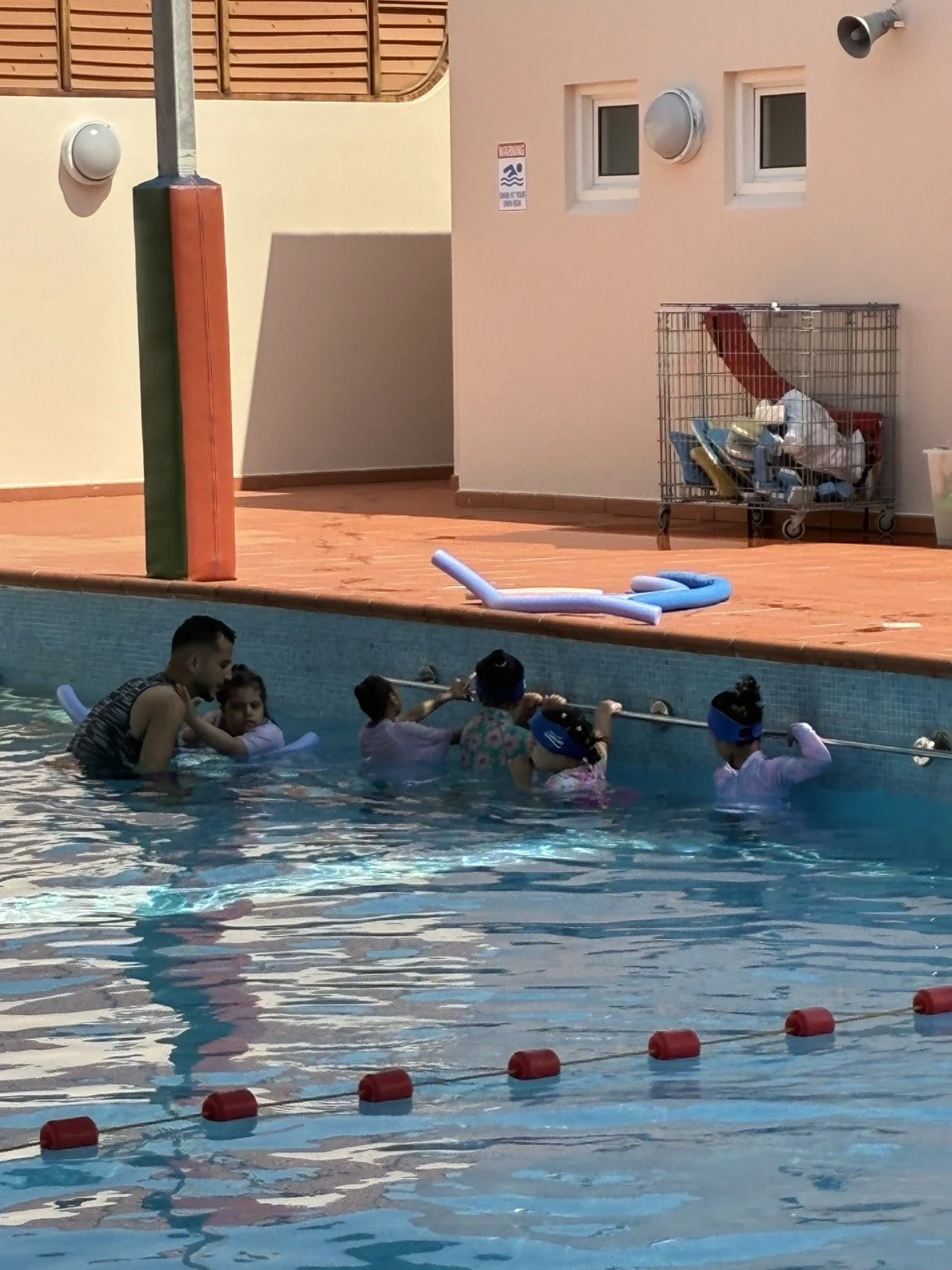
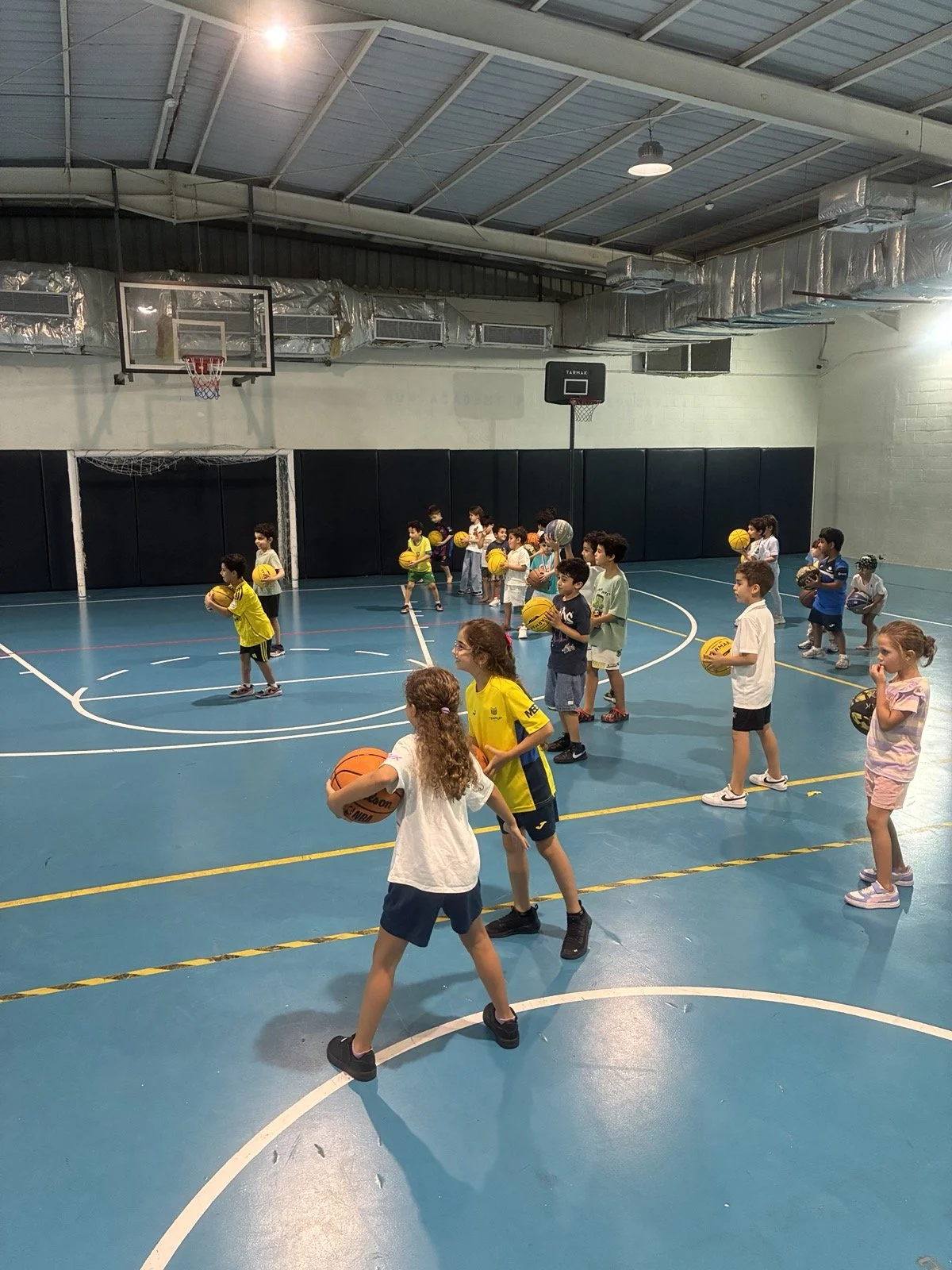
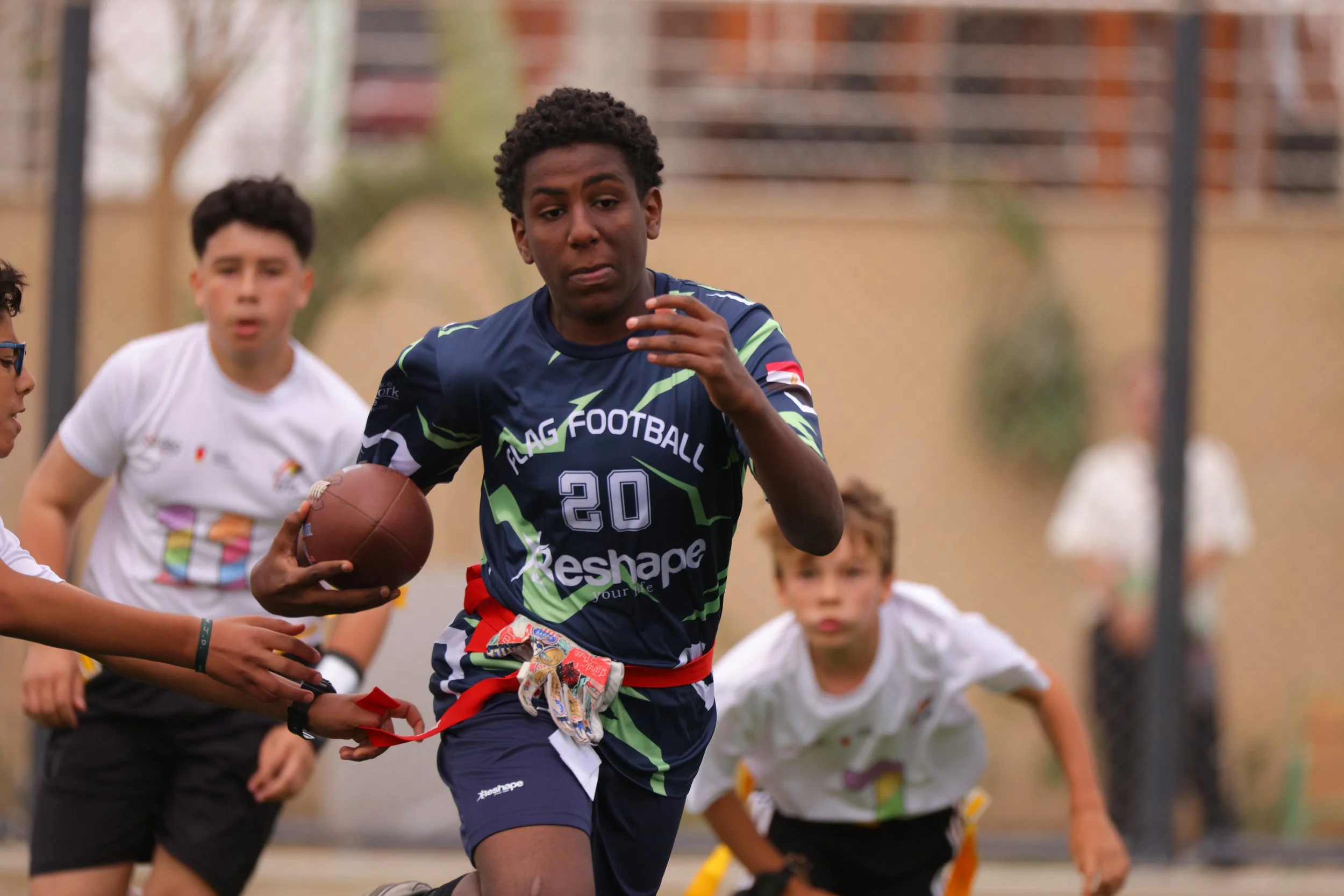
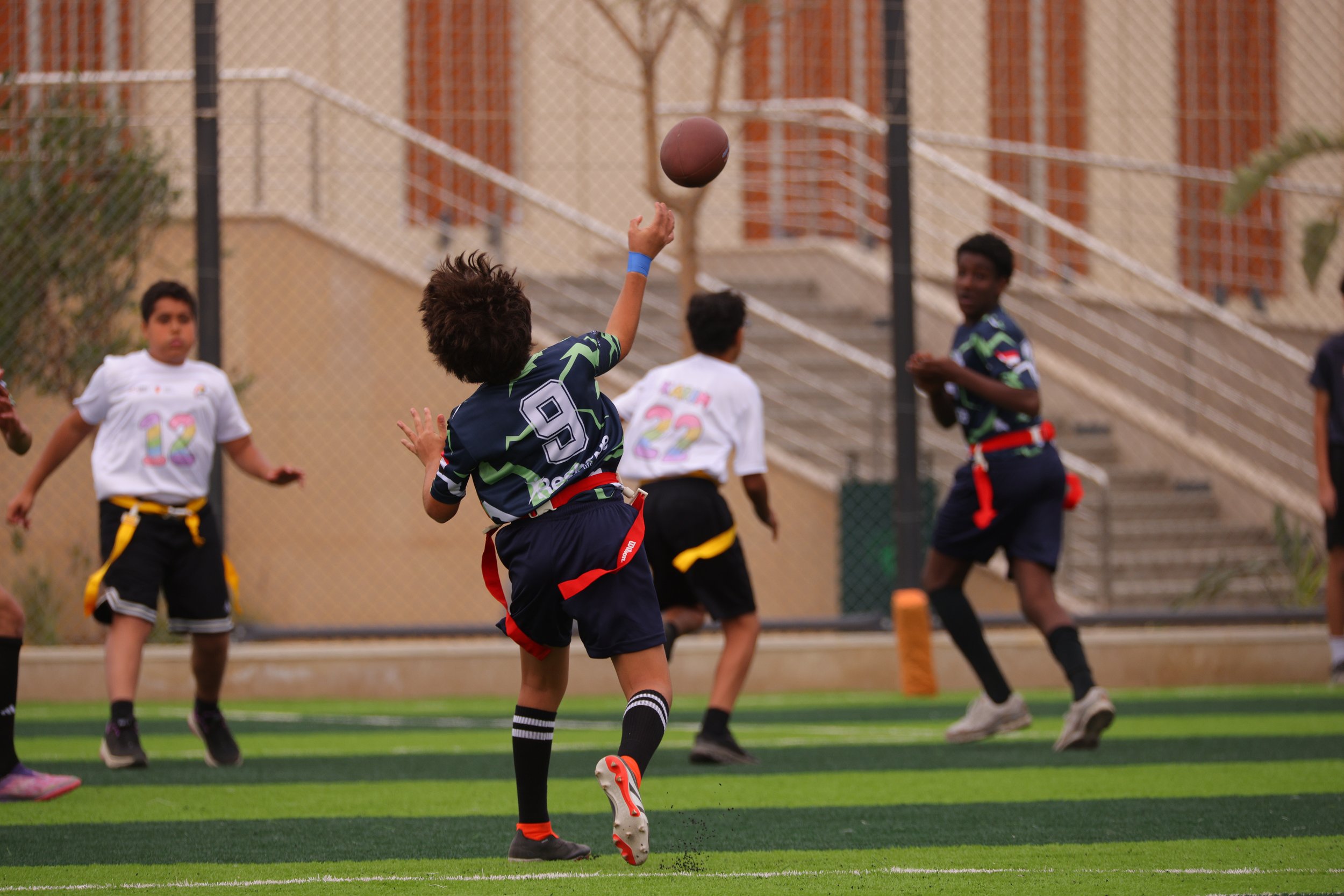
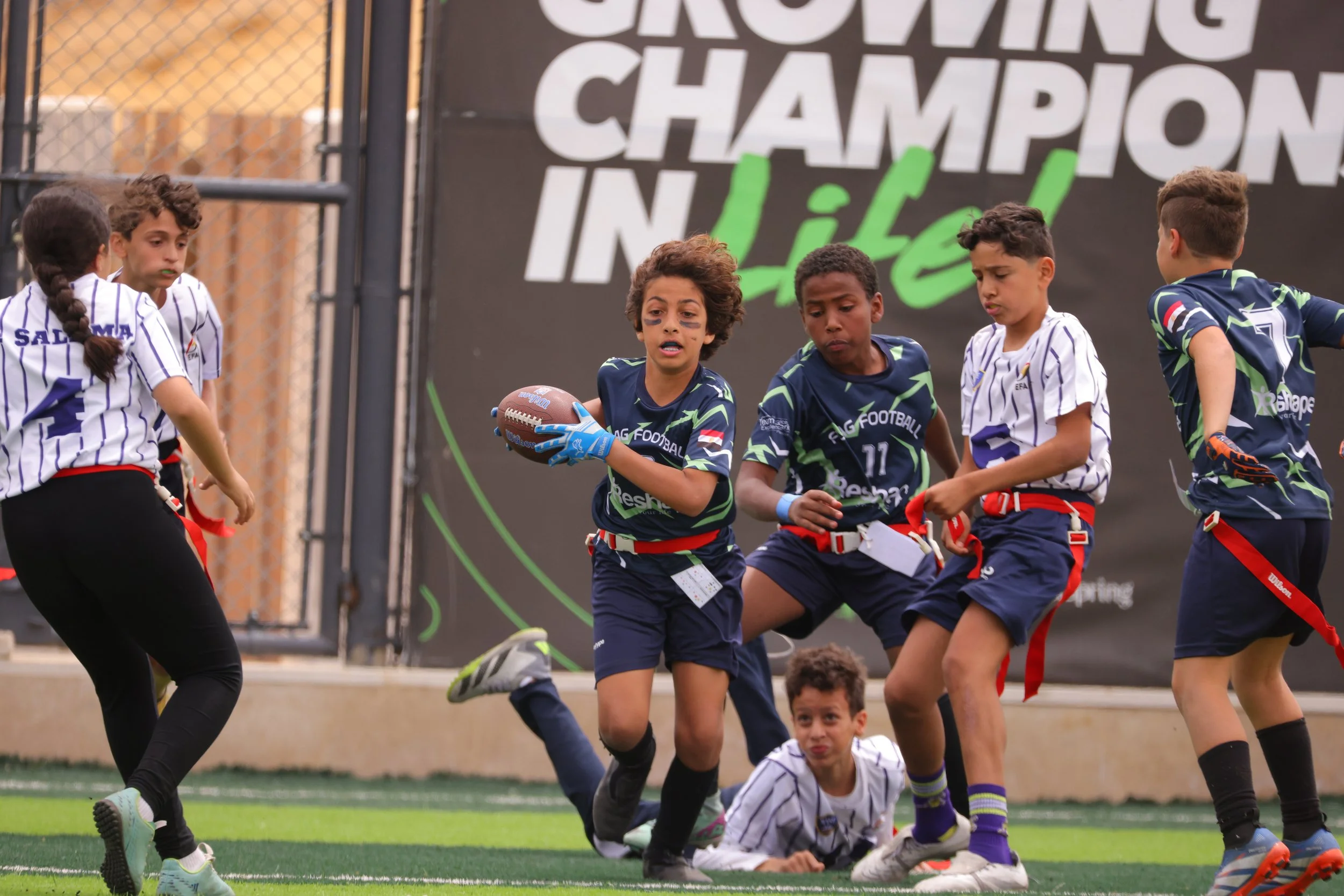
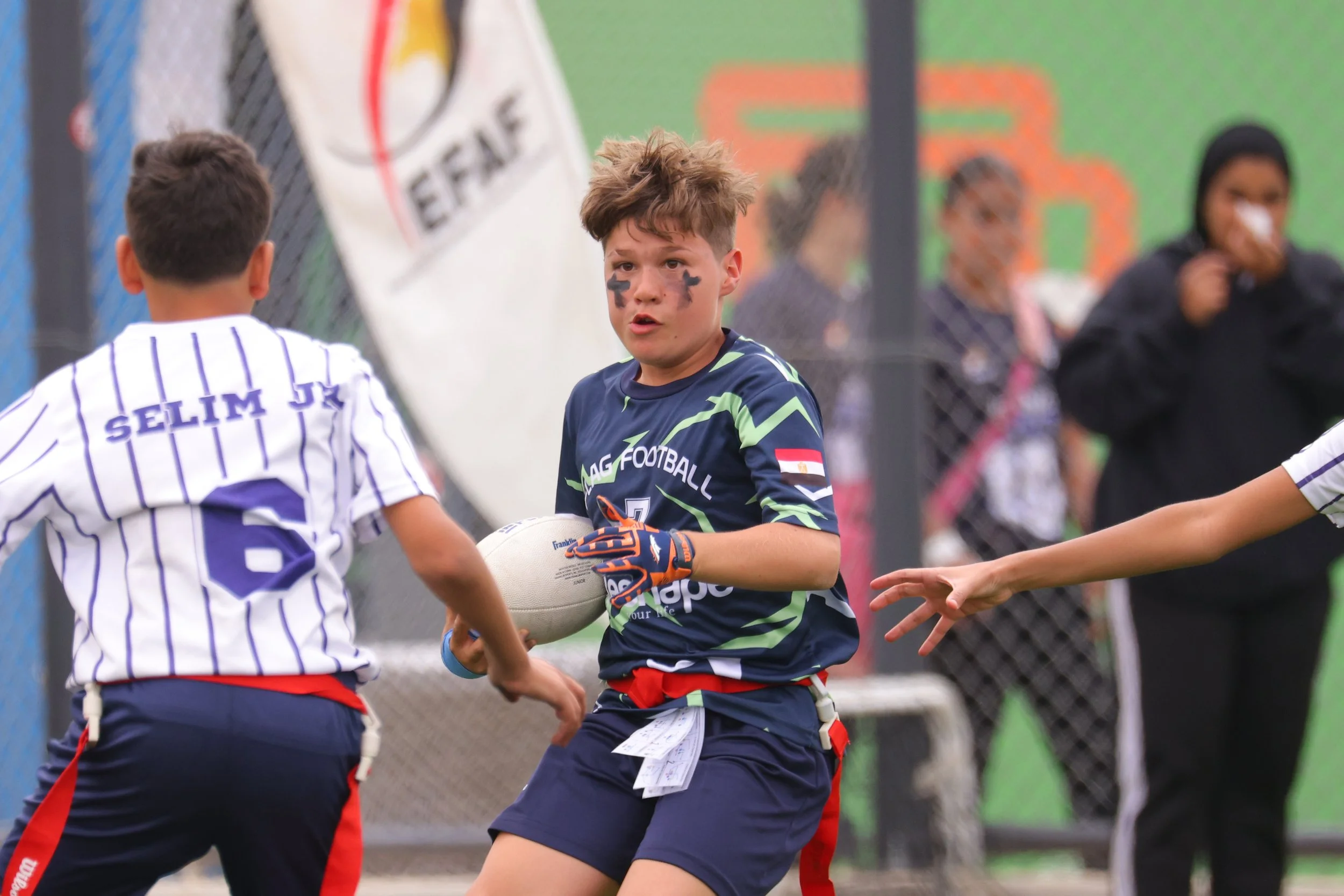
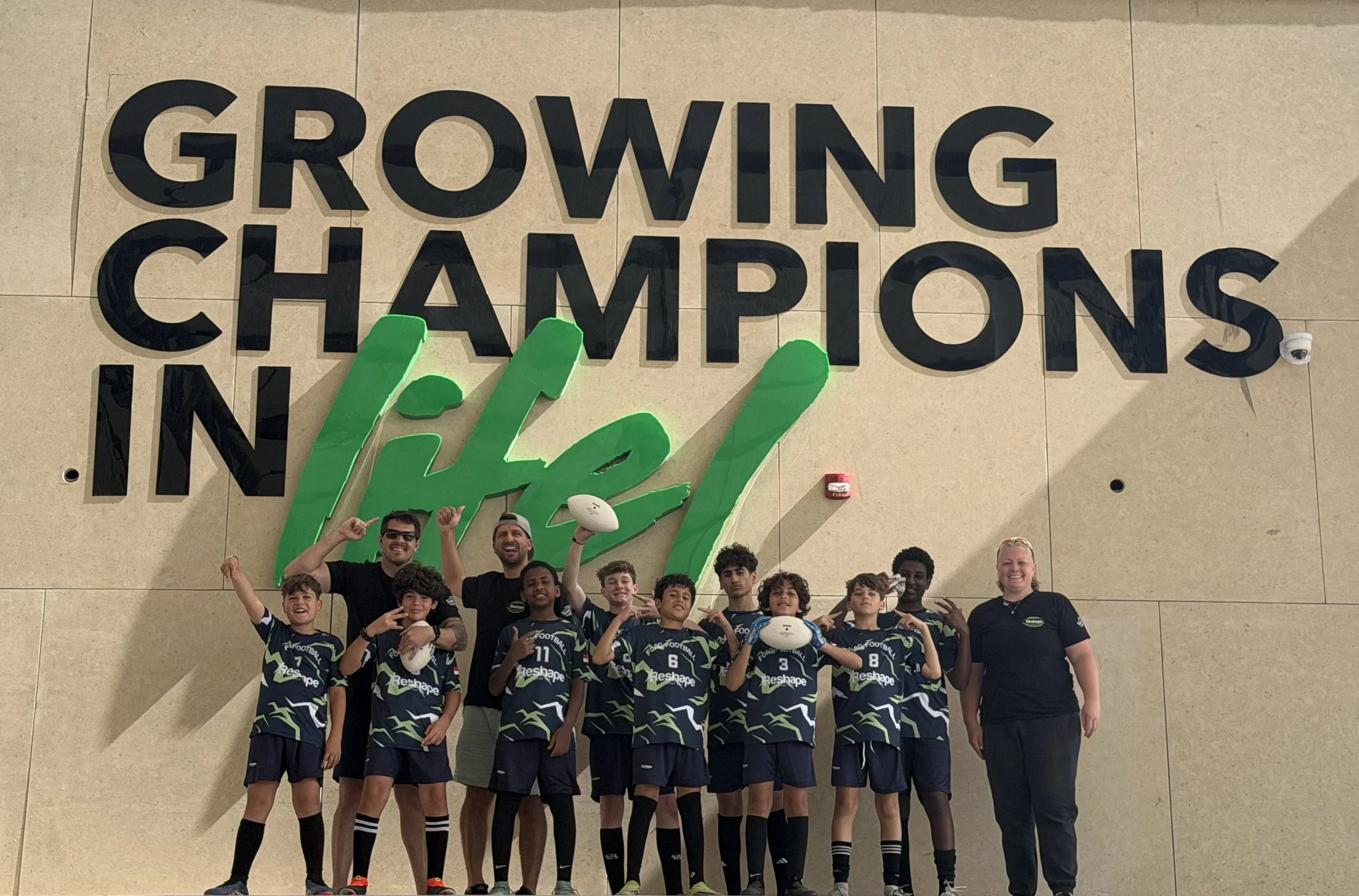
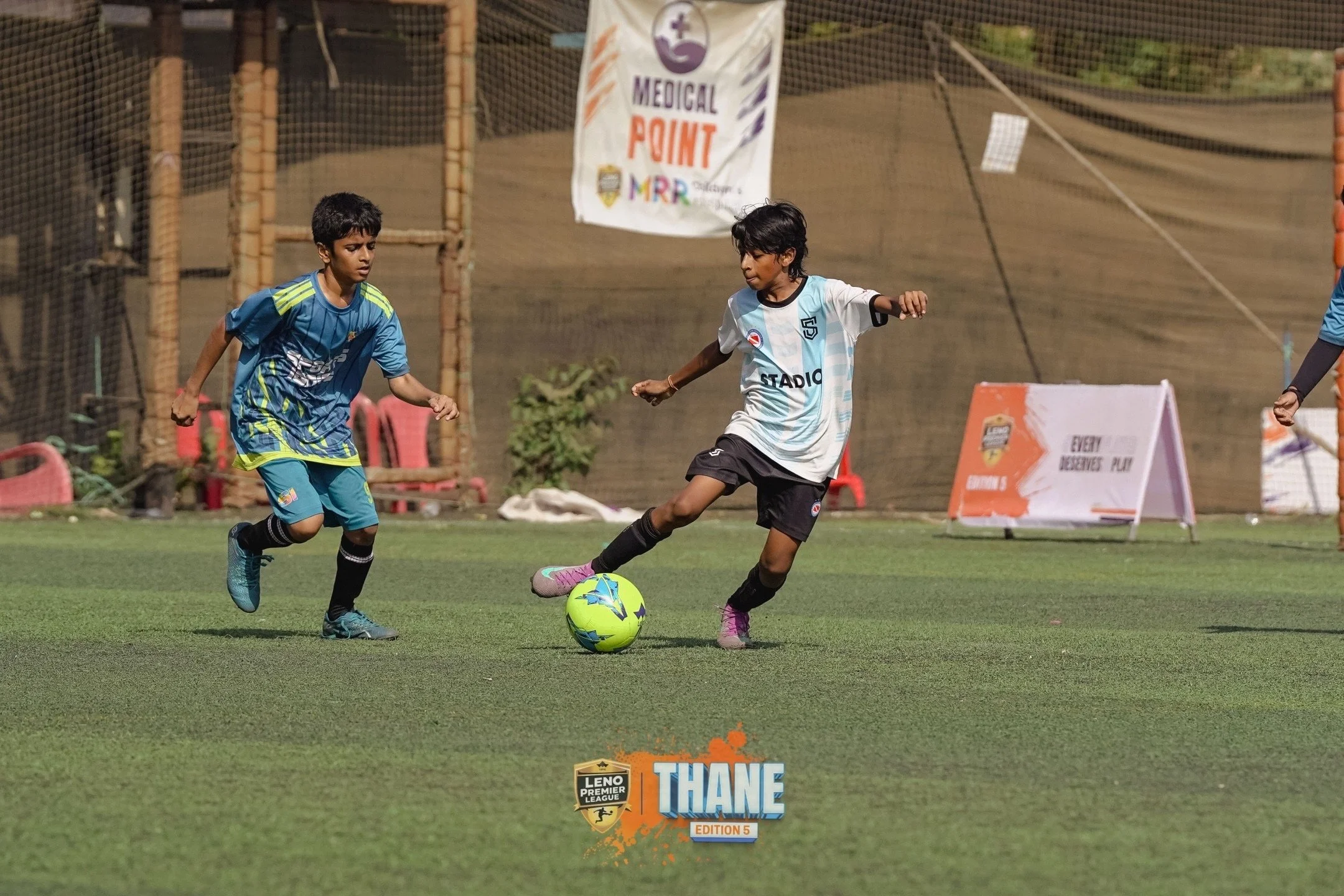
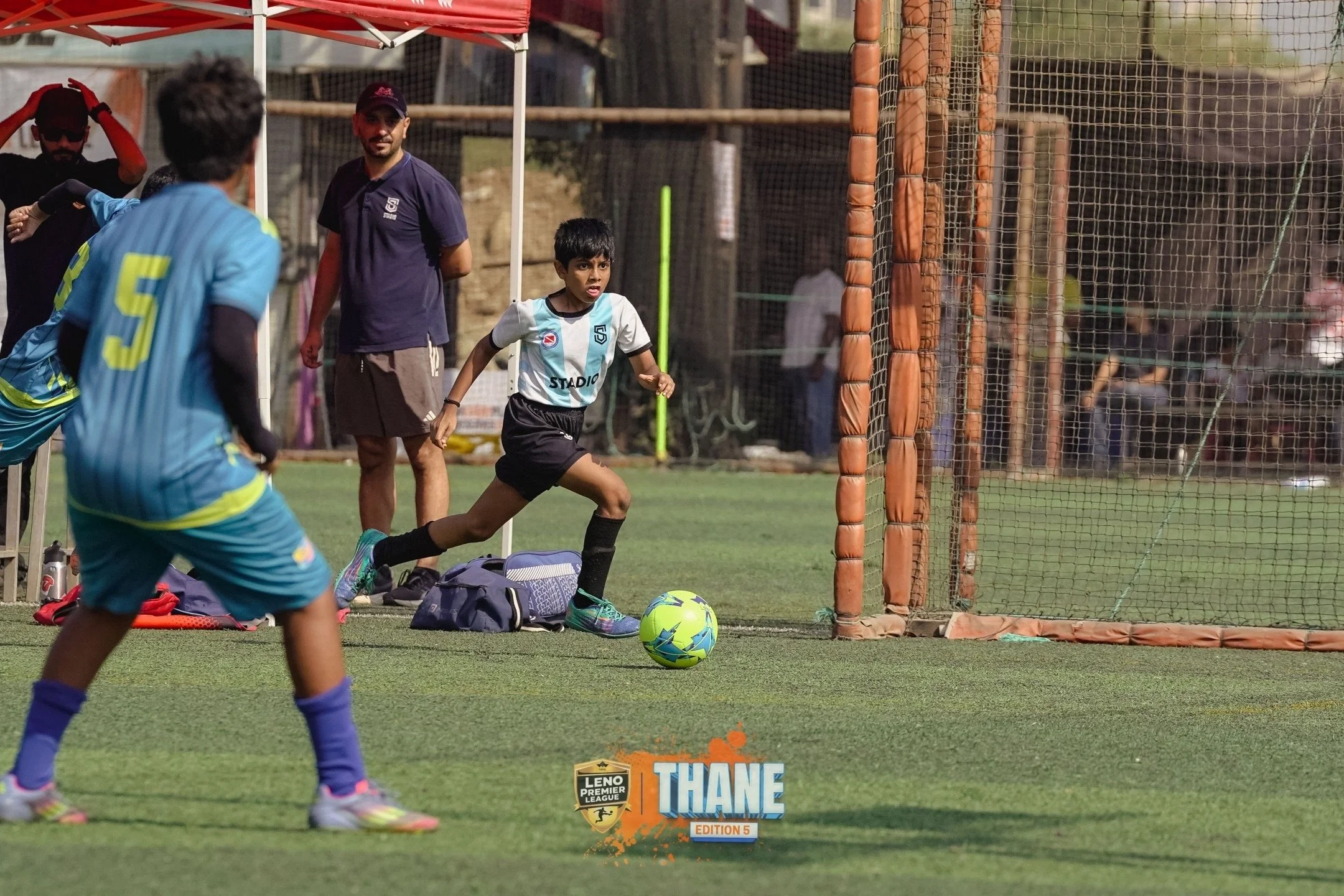
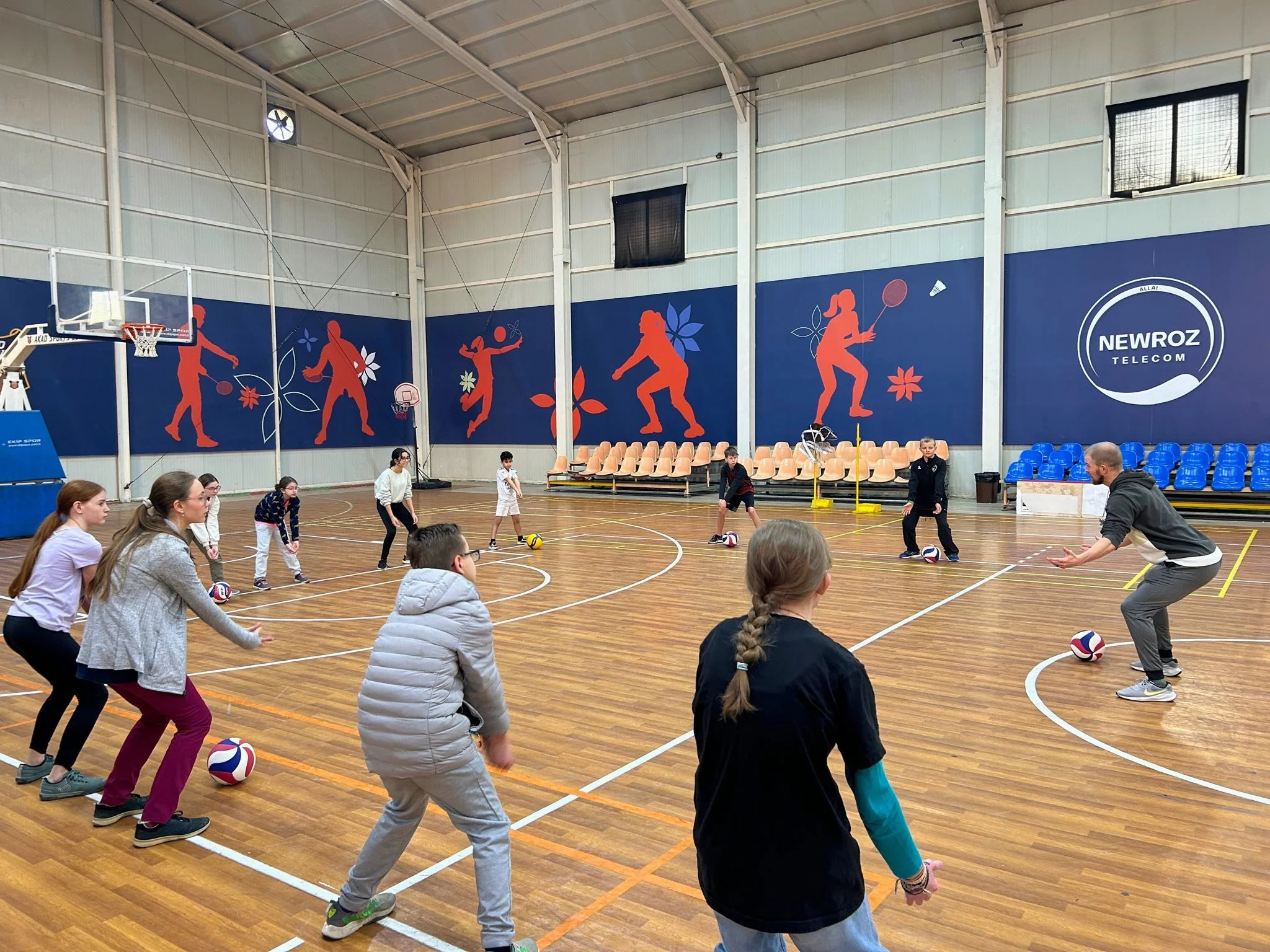
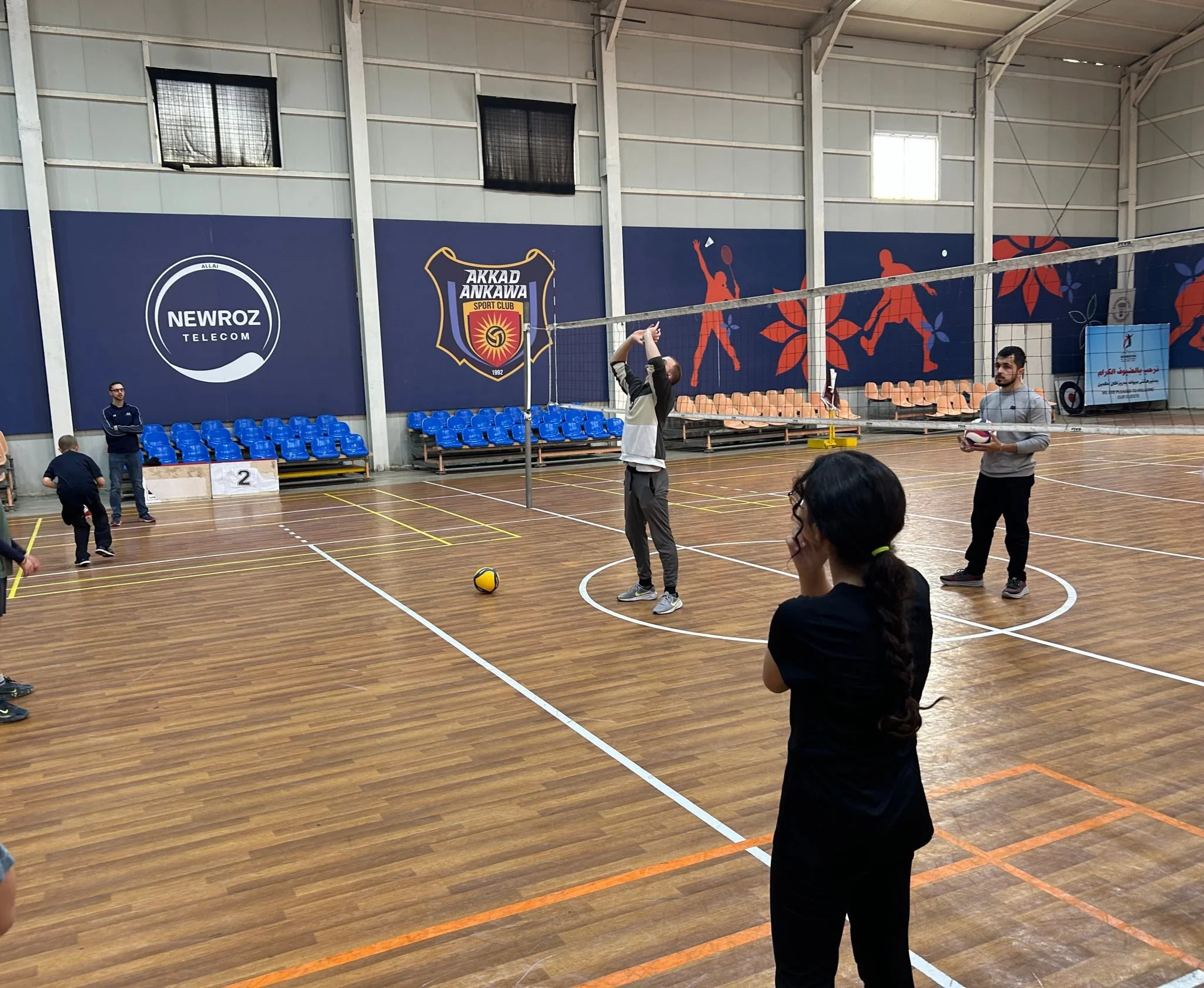
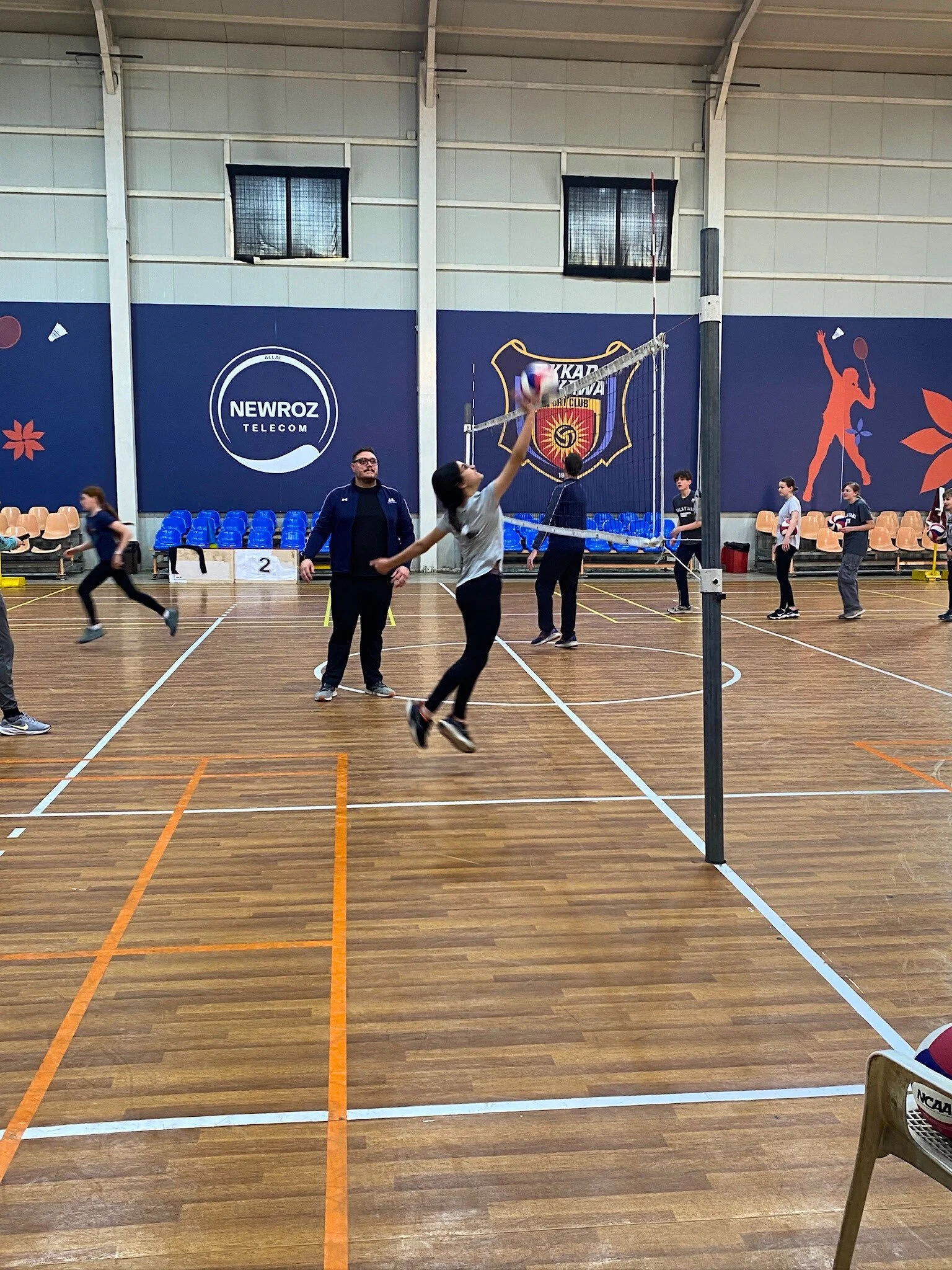
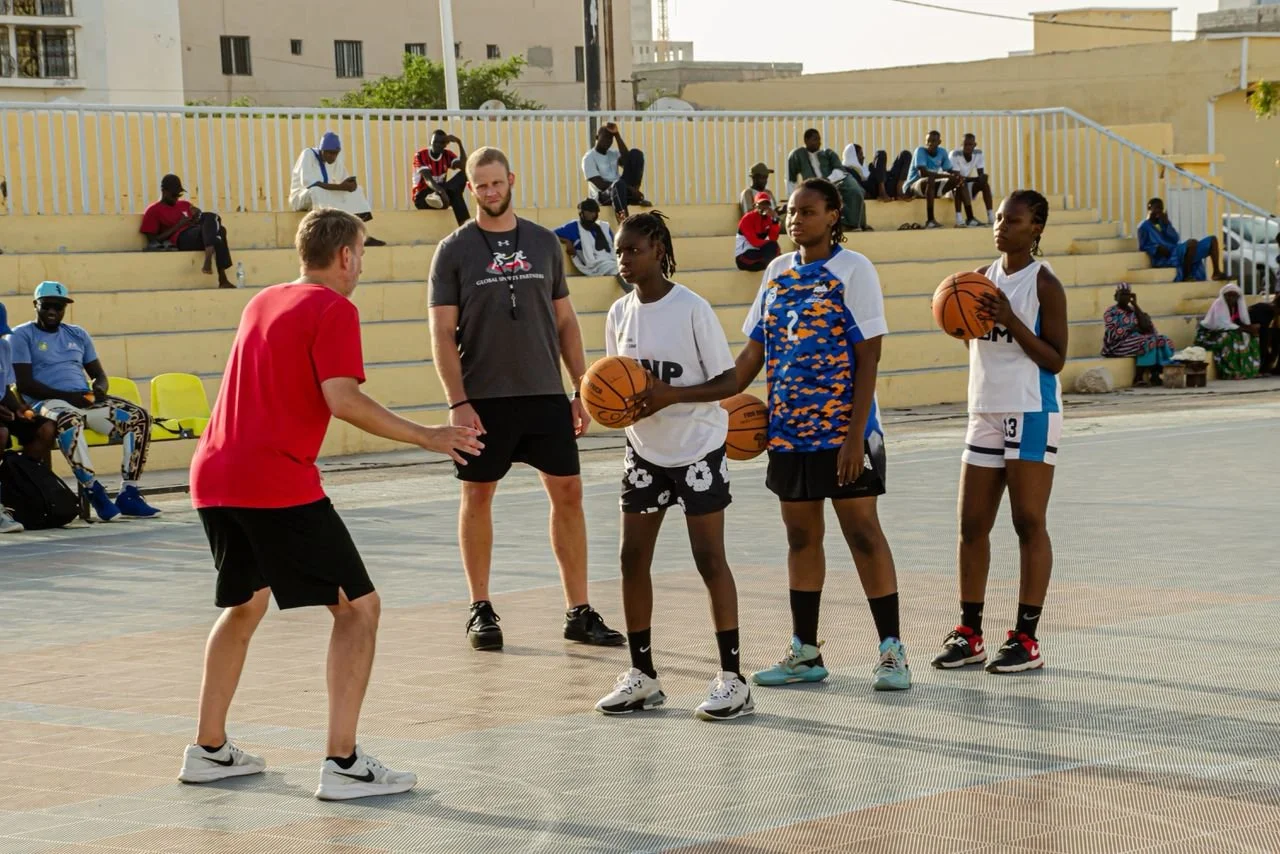
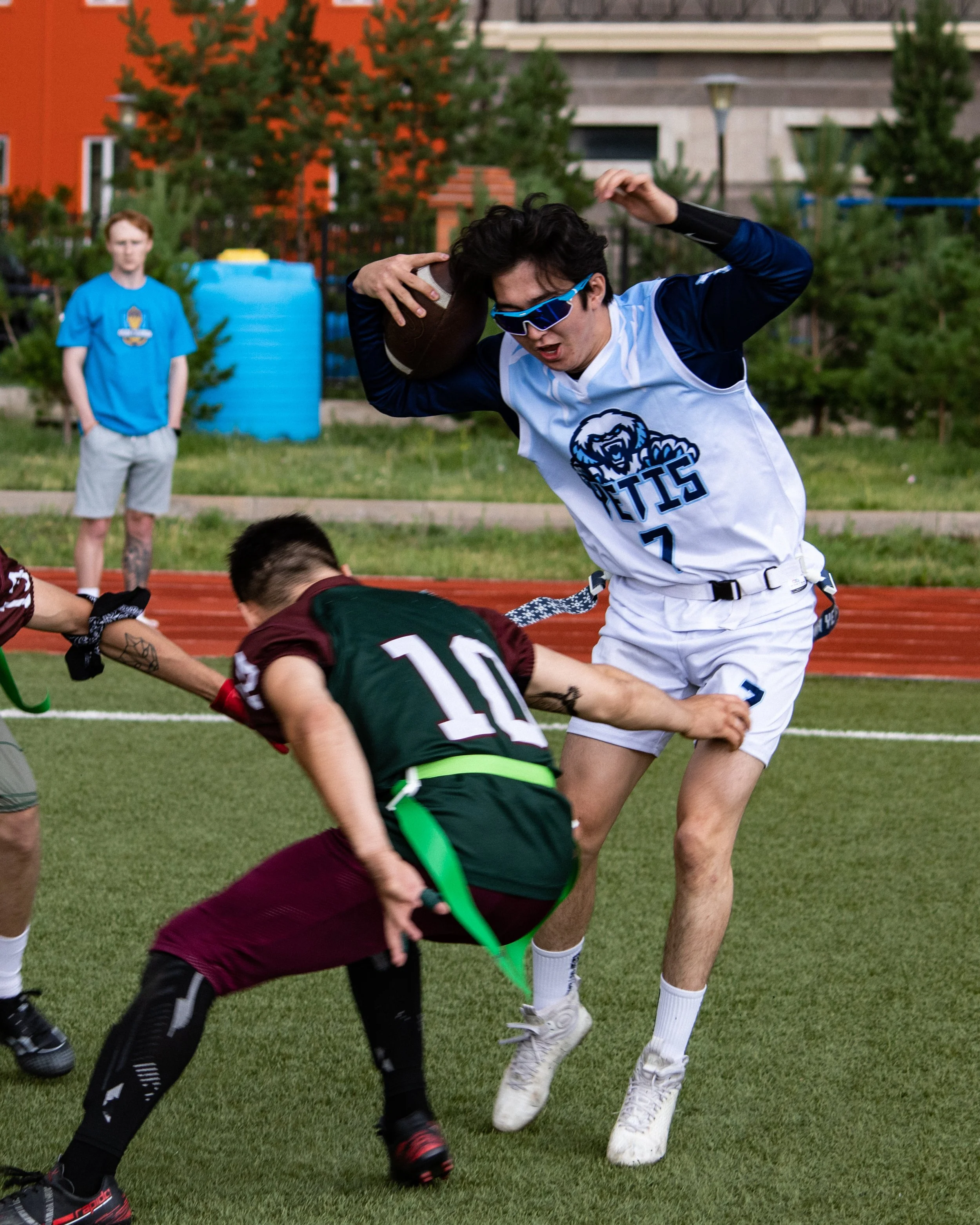
One of his first major projects was TeamUp’s nine-week Summer Camp. The program provided 120 participants with an atmosphere of fun, learning, and athletic development through games, fitness, basketball, football, and flag football. Activities were offered across both the academy’s mainstream sports and adaptive sports programs, supported by 13 coaches and seven volunteers.
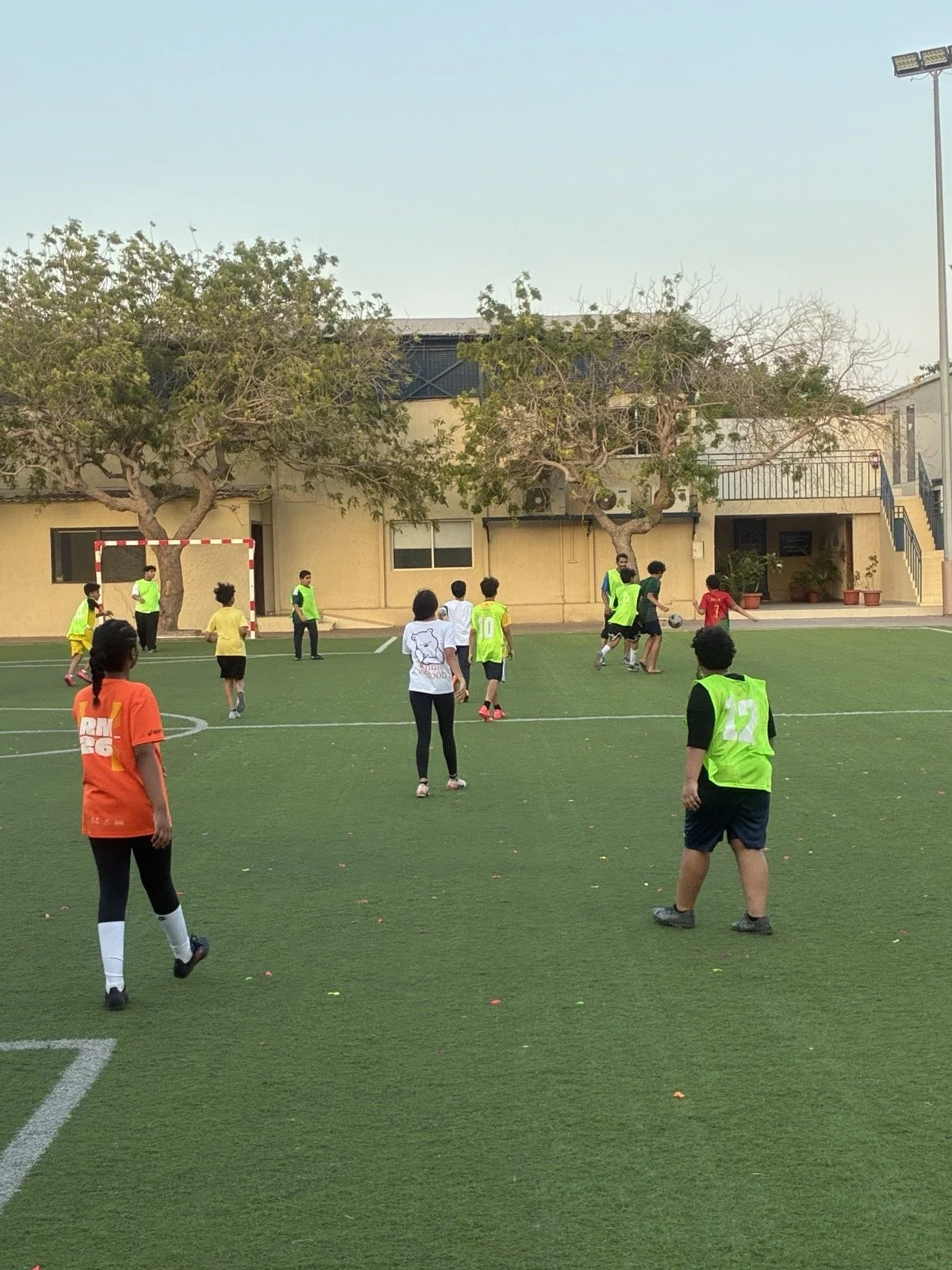
The response from families was extremely positive, with many parents highlighting the quality of the program and its balance between athletic development and enjoyment. Several participants who joined TeamUp for the first time during the Summer Camp have since continued into the academy’s year-round programs, including basketball, football, and mini tennis.
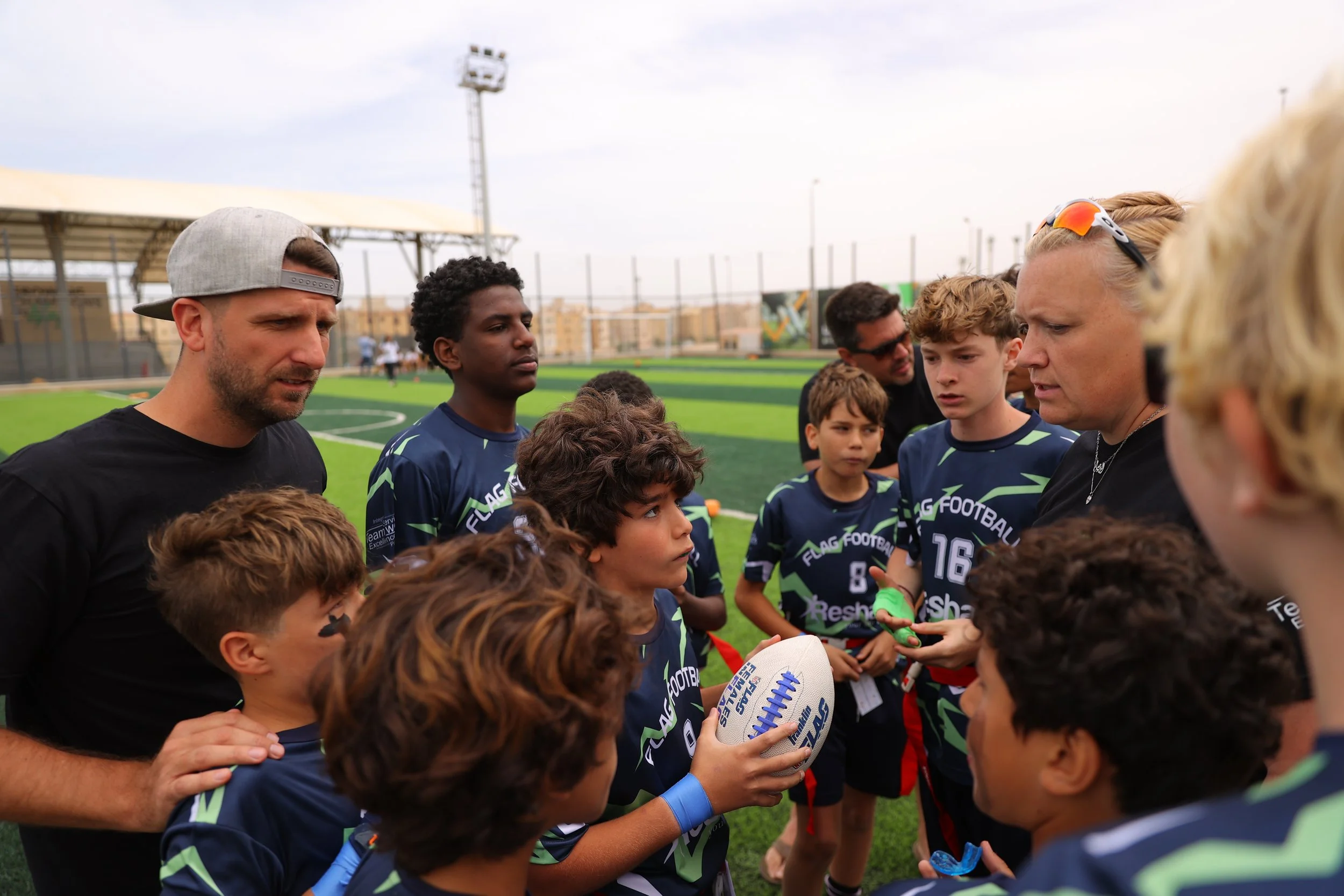
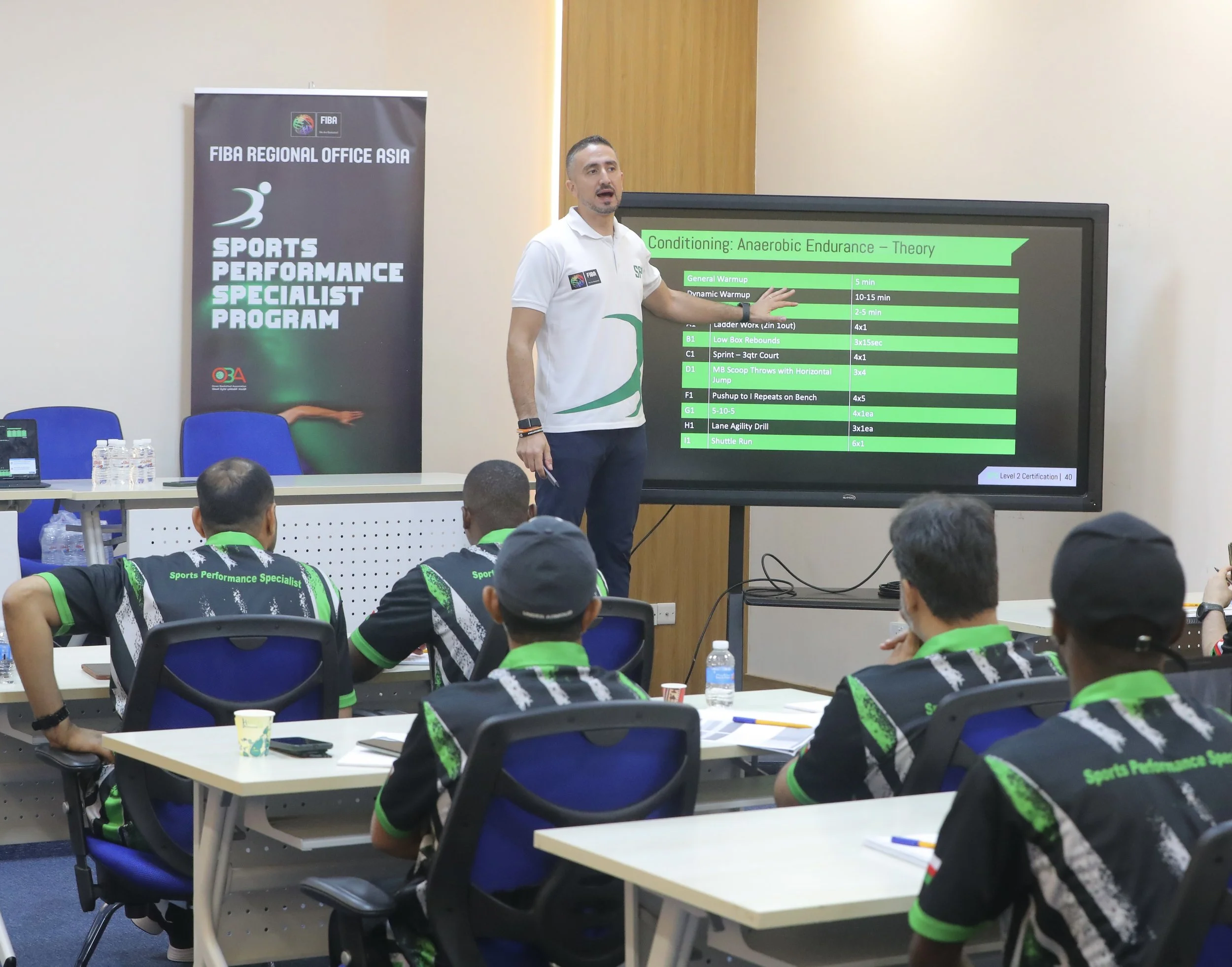
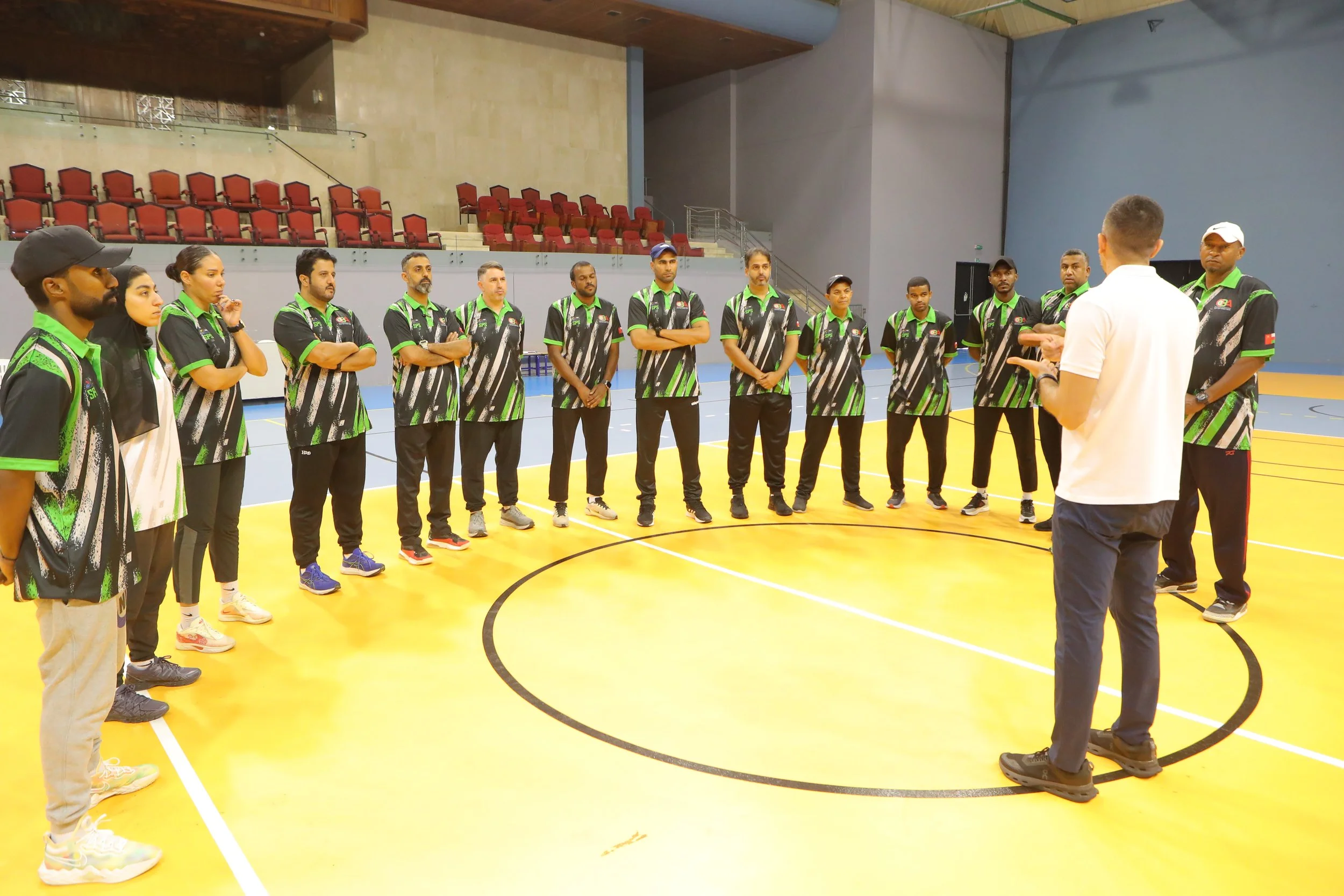
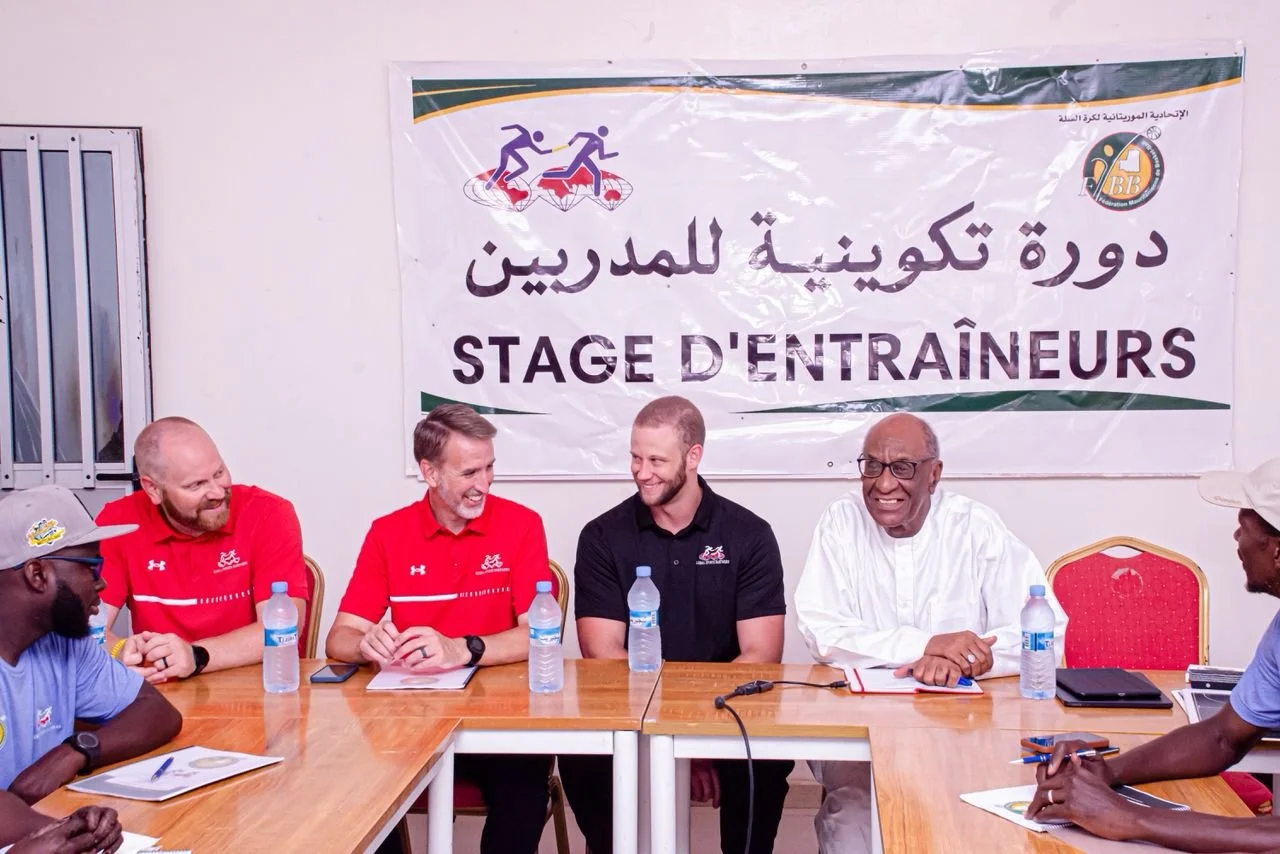
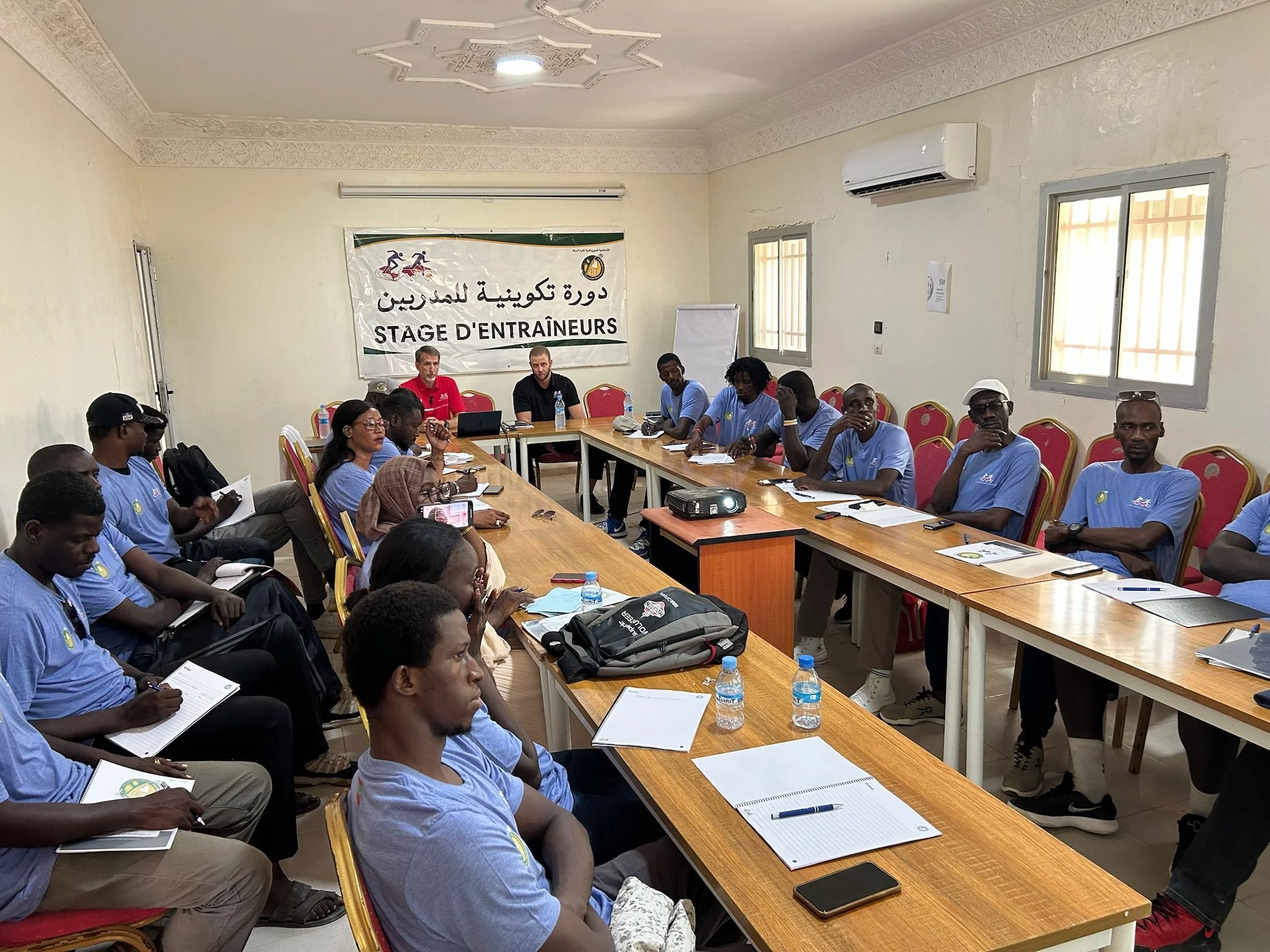
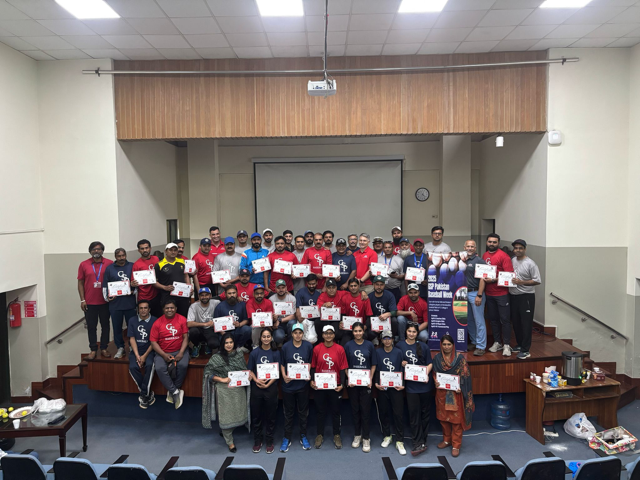
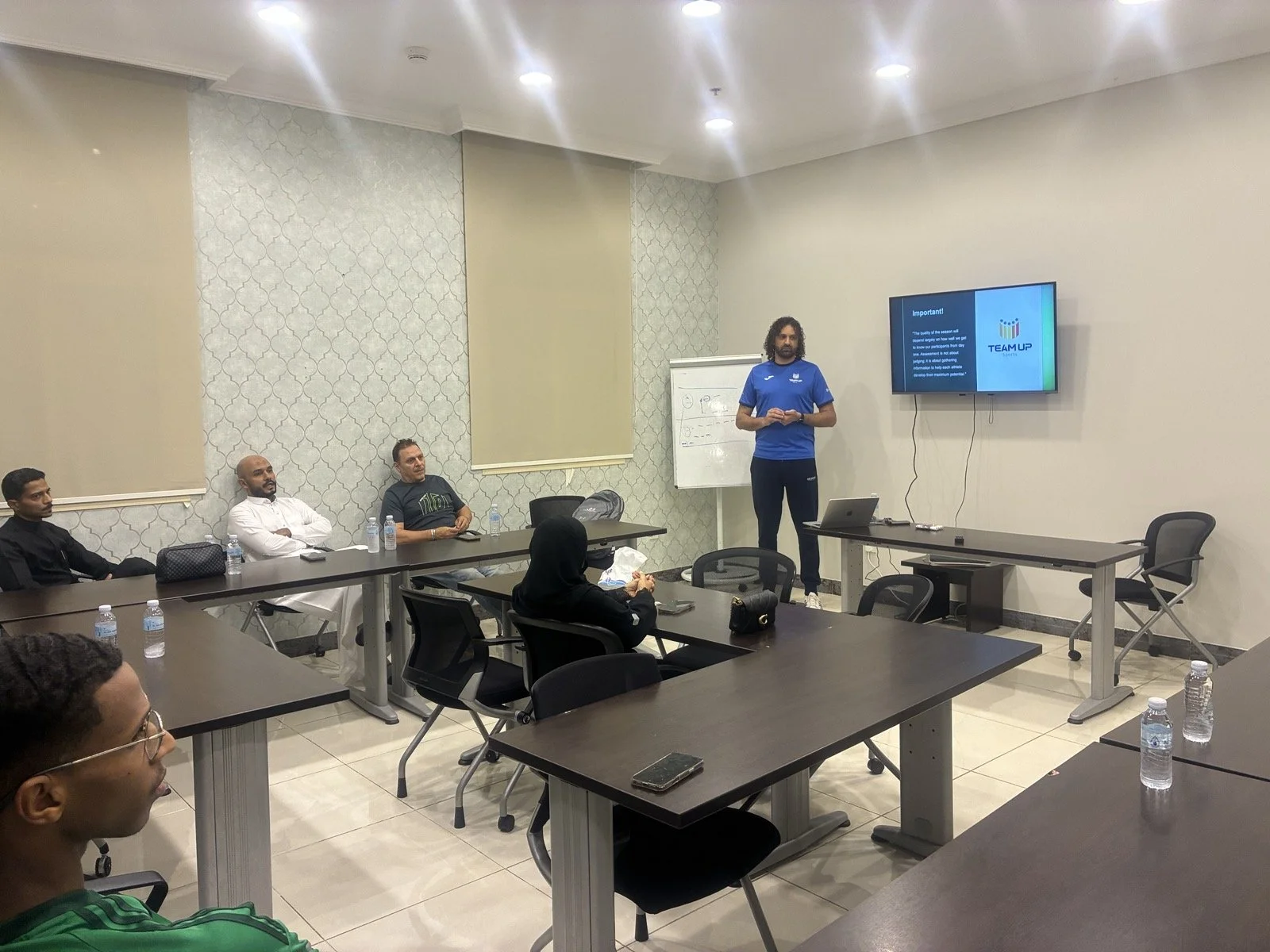
Coach development has also been a priority as TeamUp enters the 2026–27 season. Gonzalo recently delivered three coach education workshops focused on Training Planning, Effective Training, and Diagnostic Evaluation. The sessions were designed to strengthen coaching practices and help ensure a consistently high-quality experience for TeamUp participants.
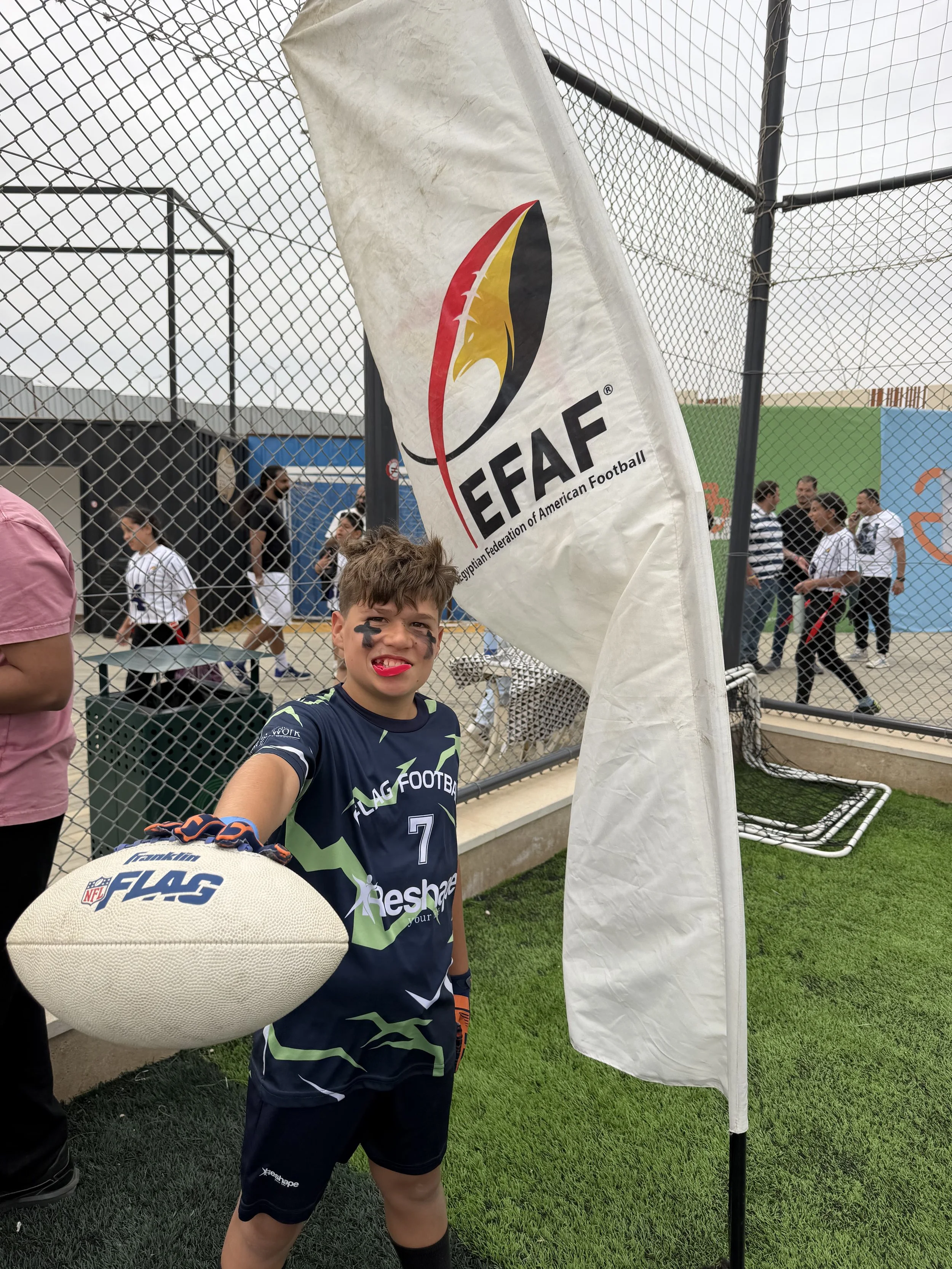
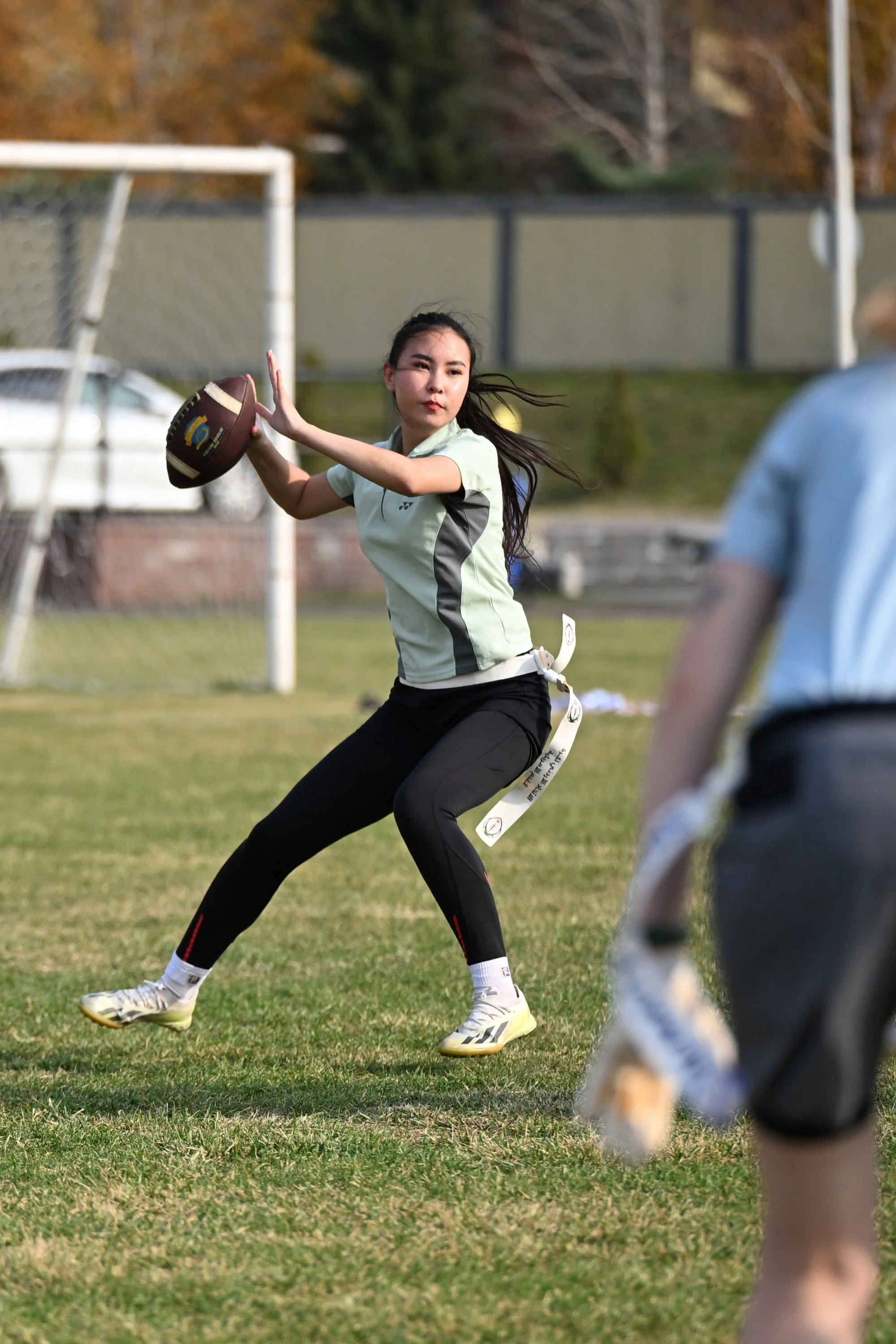
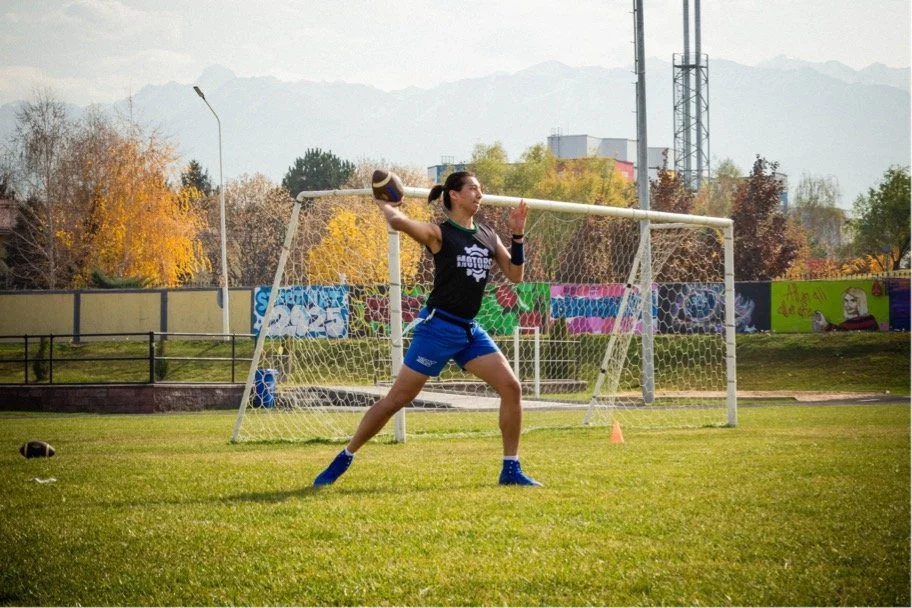
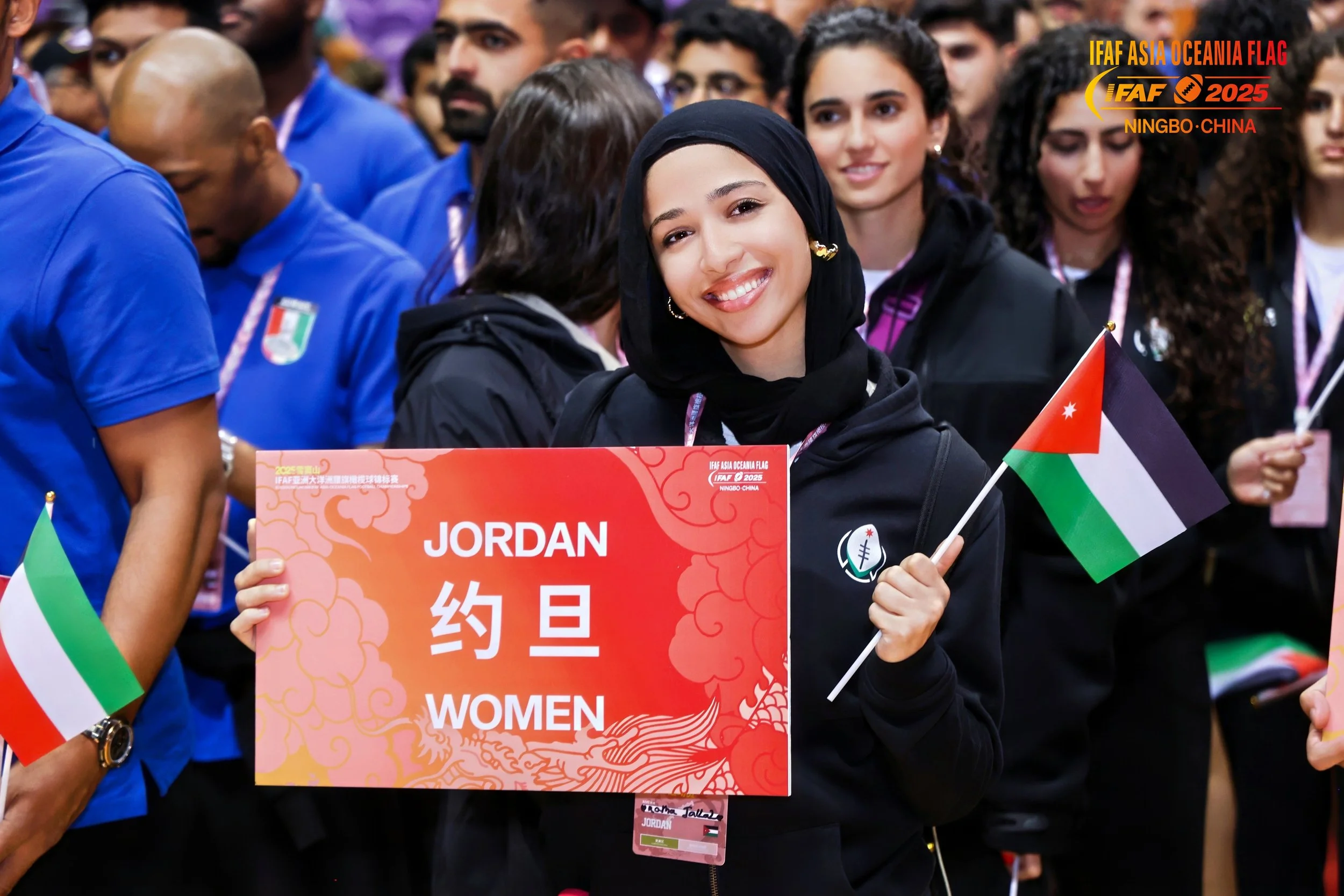
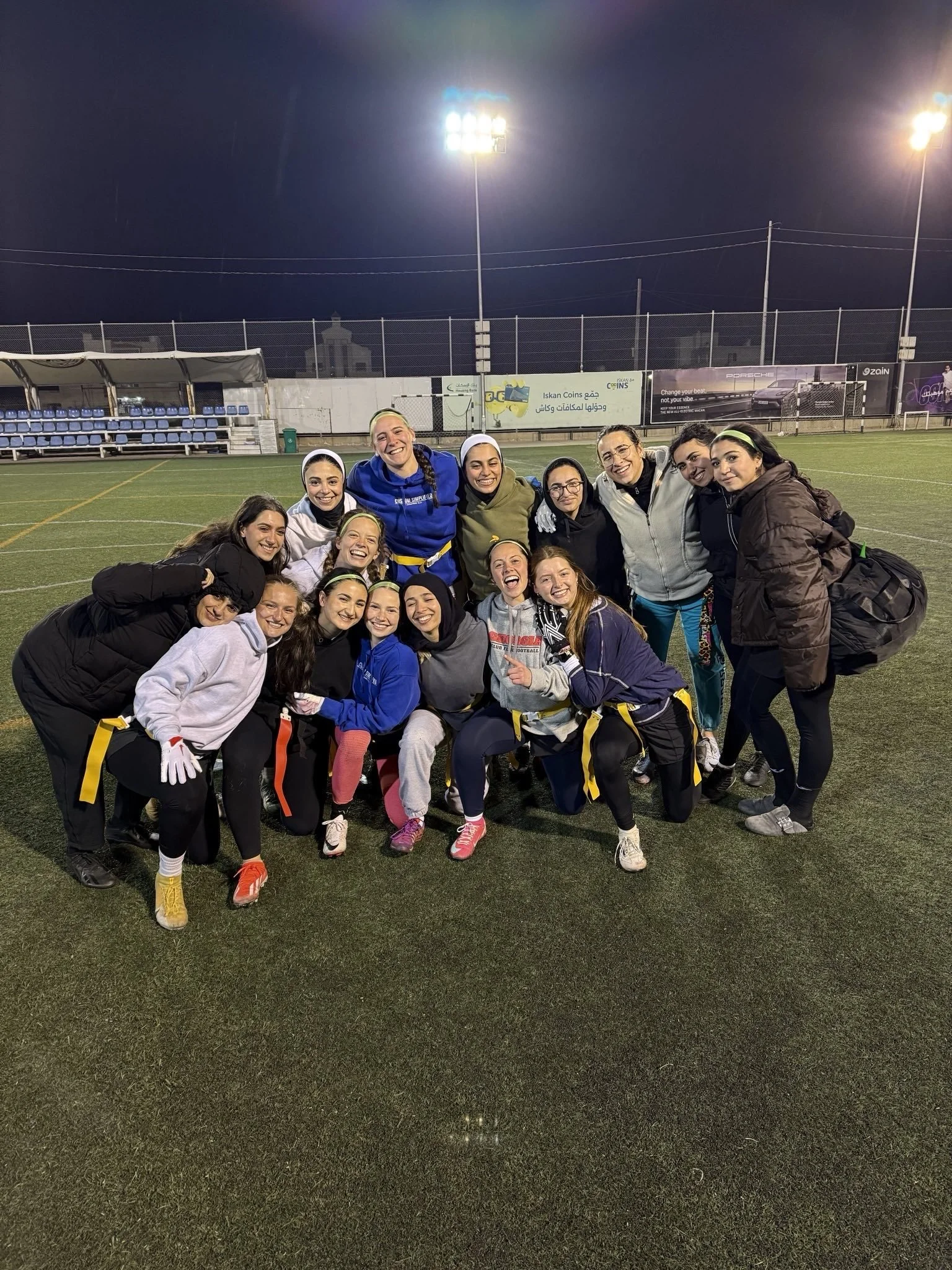
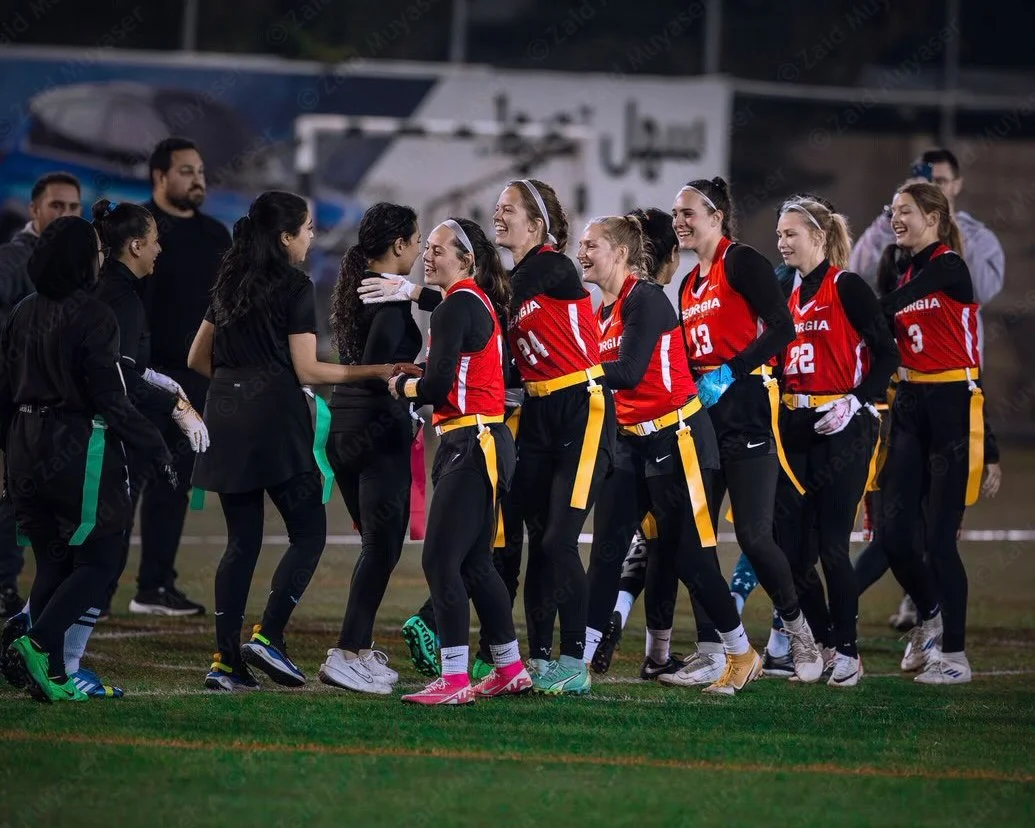
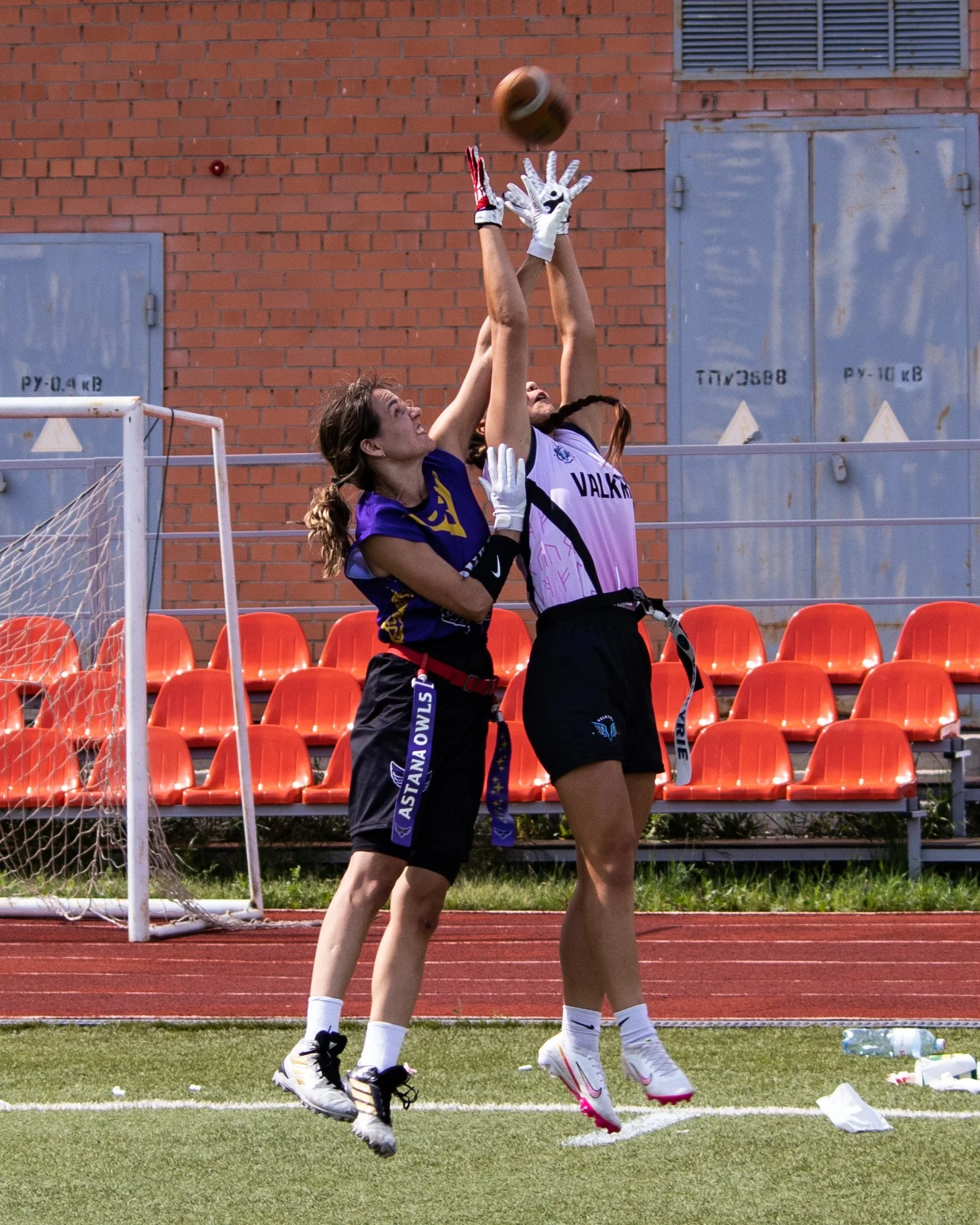
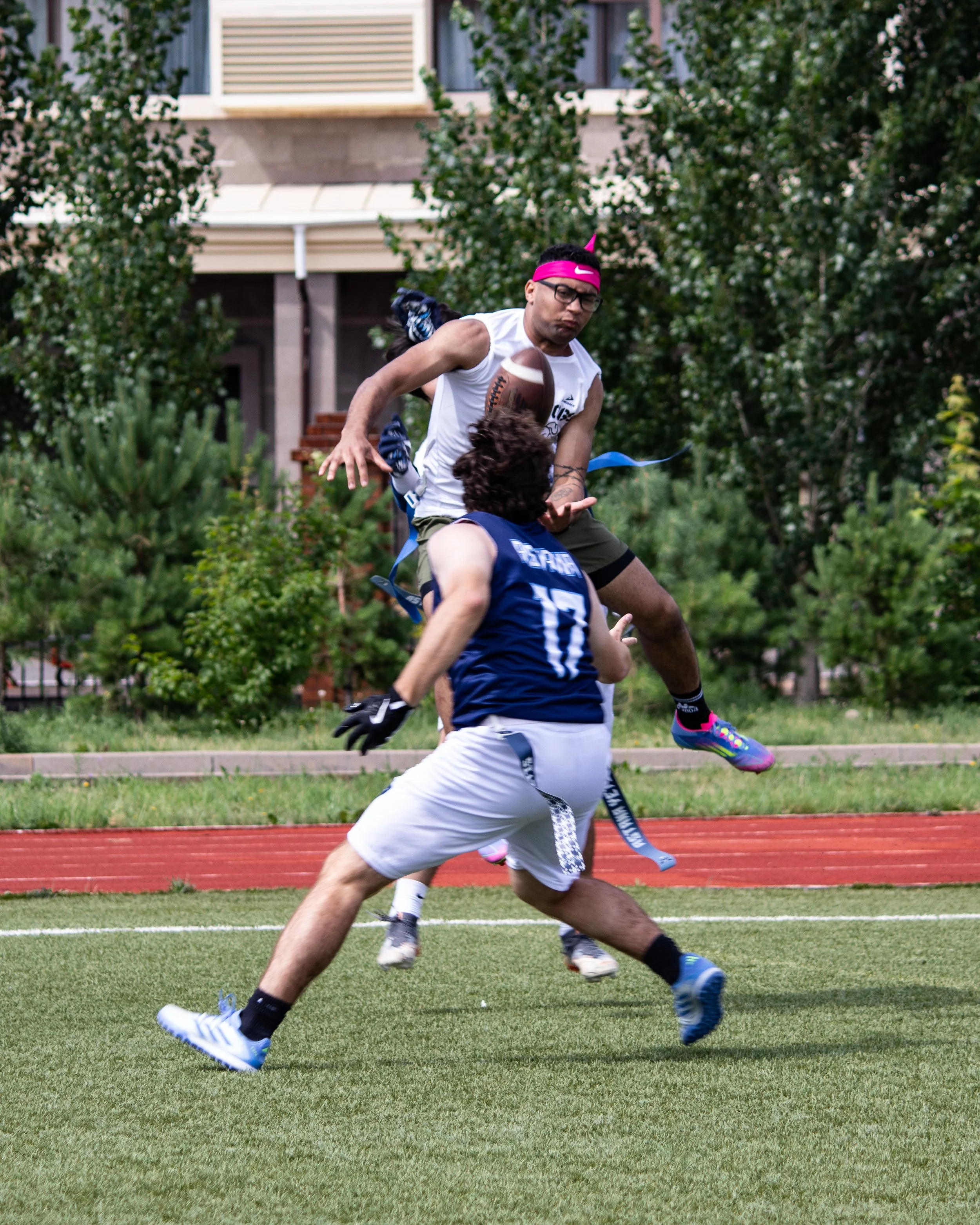
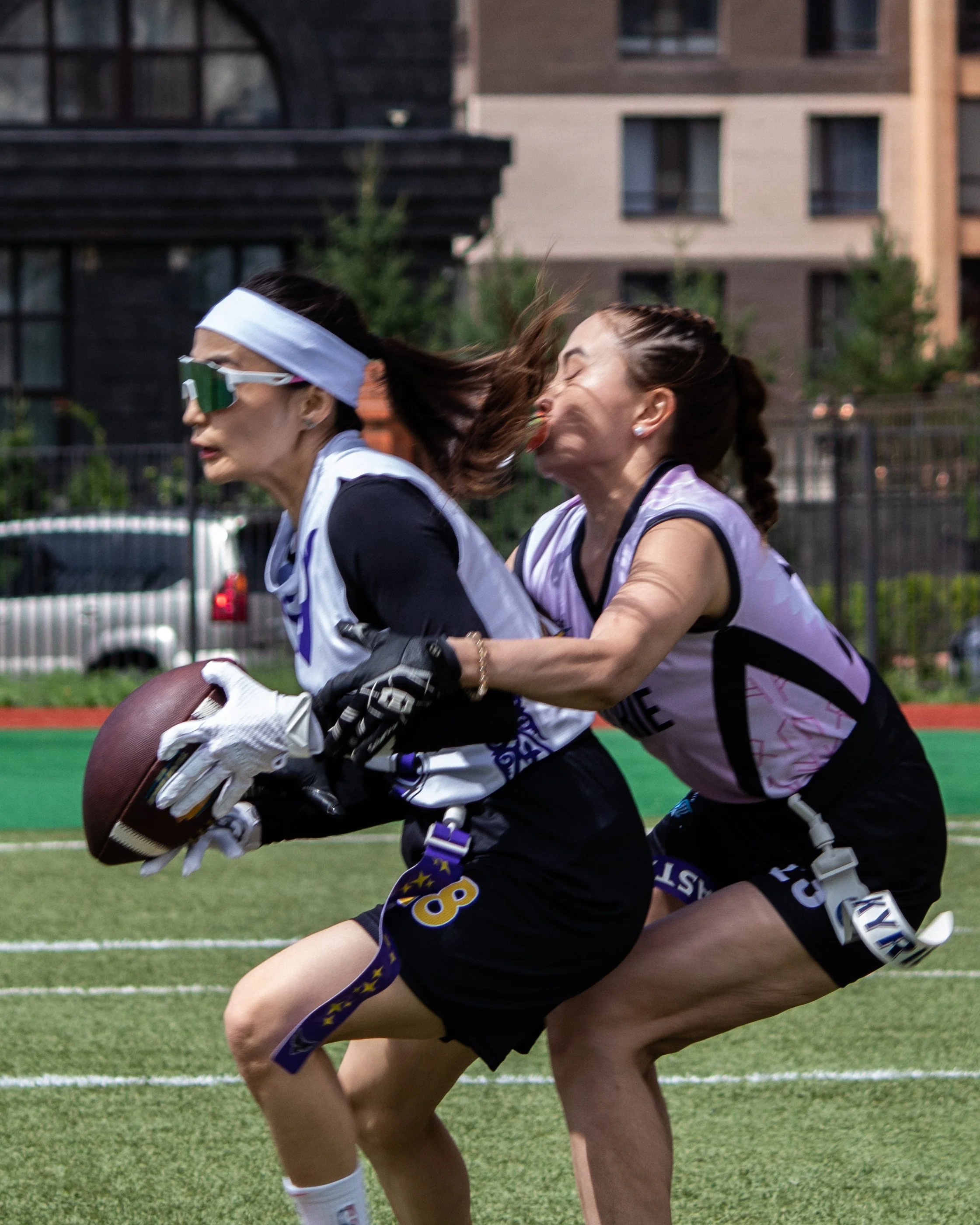
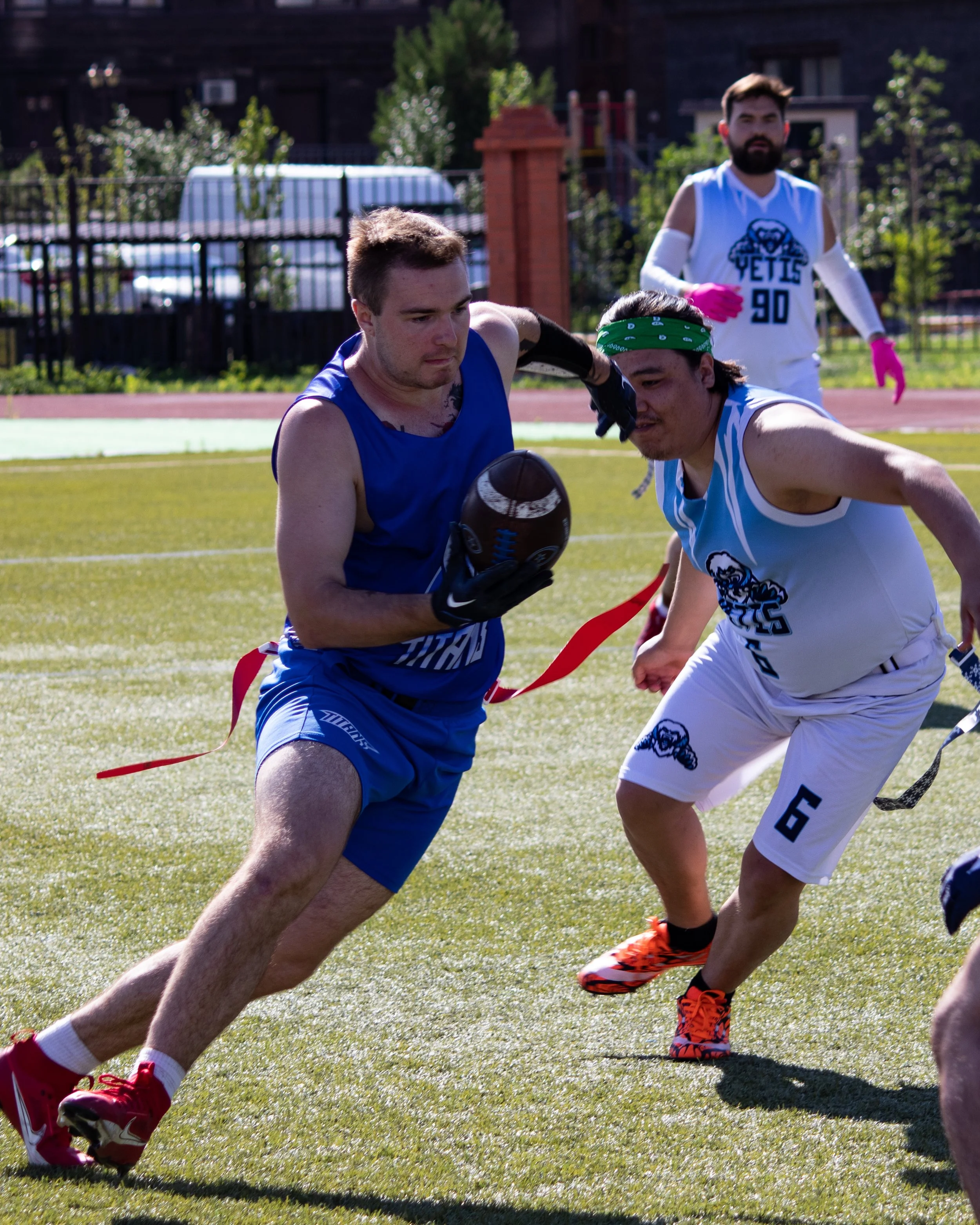
With the start of the fall season, TeamUp’s programs are now in full swing, offering boys’ and girls’ football, boys’ and girls’ basketball, children’s mini tennis, women’s volleyball, women’s flag football, and adaptive sports programs.
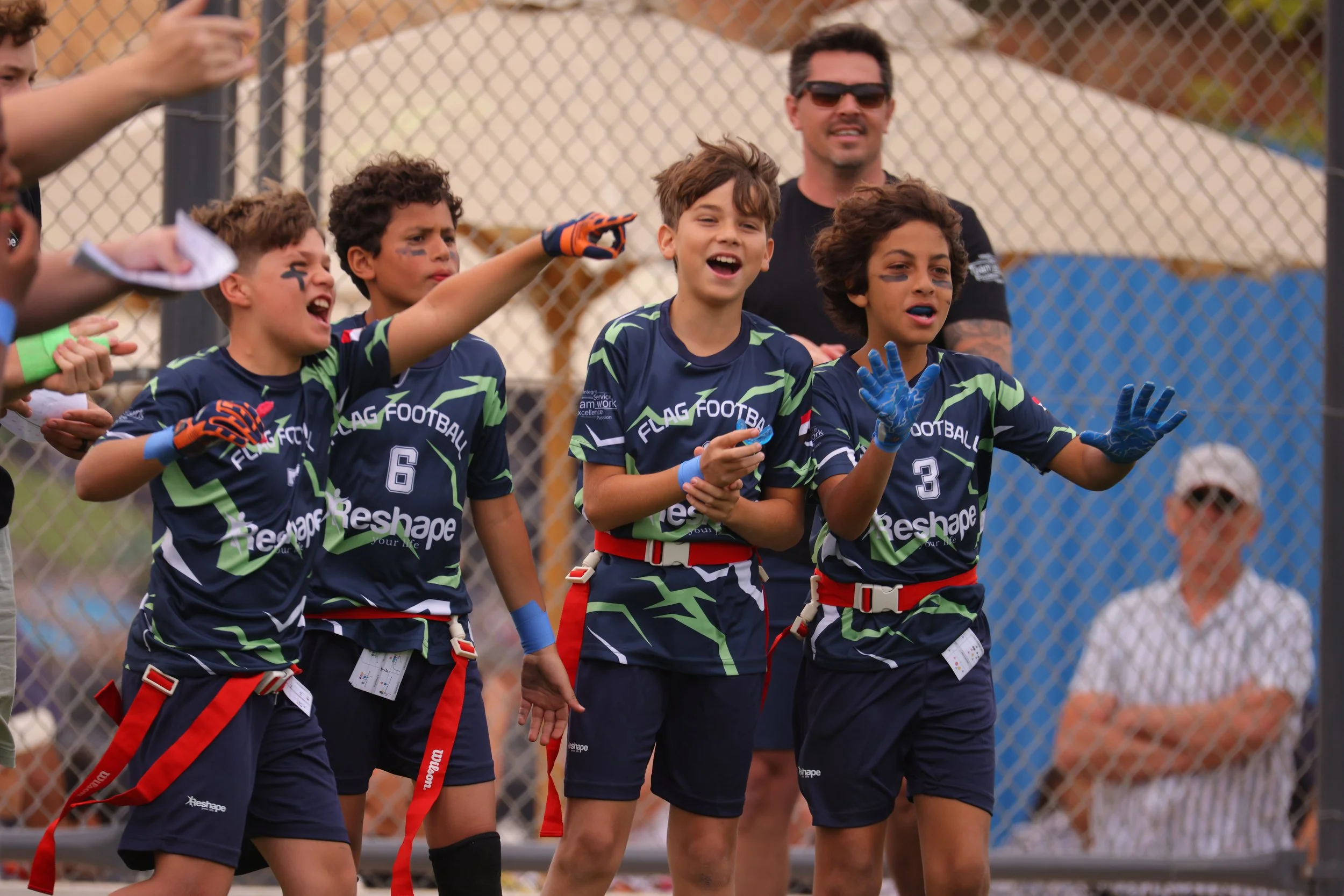
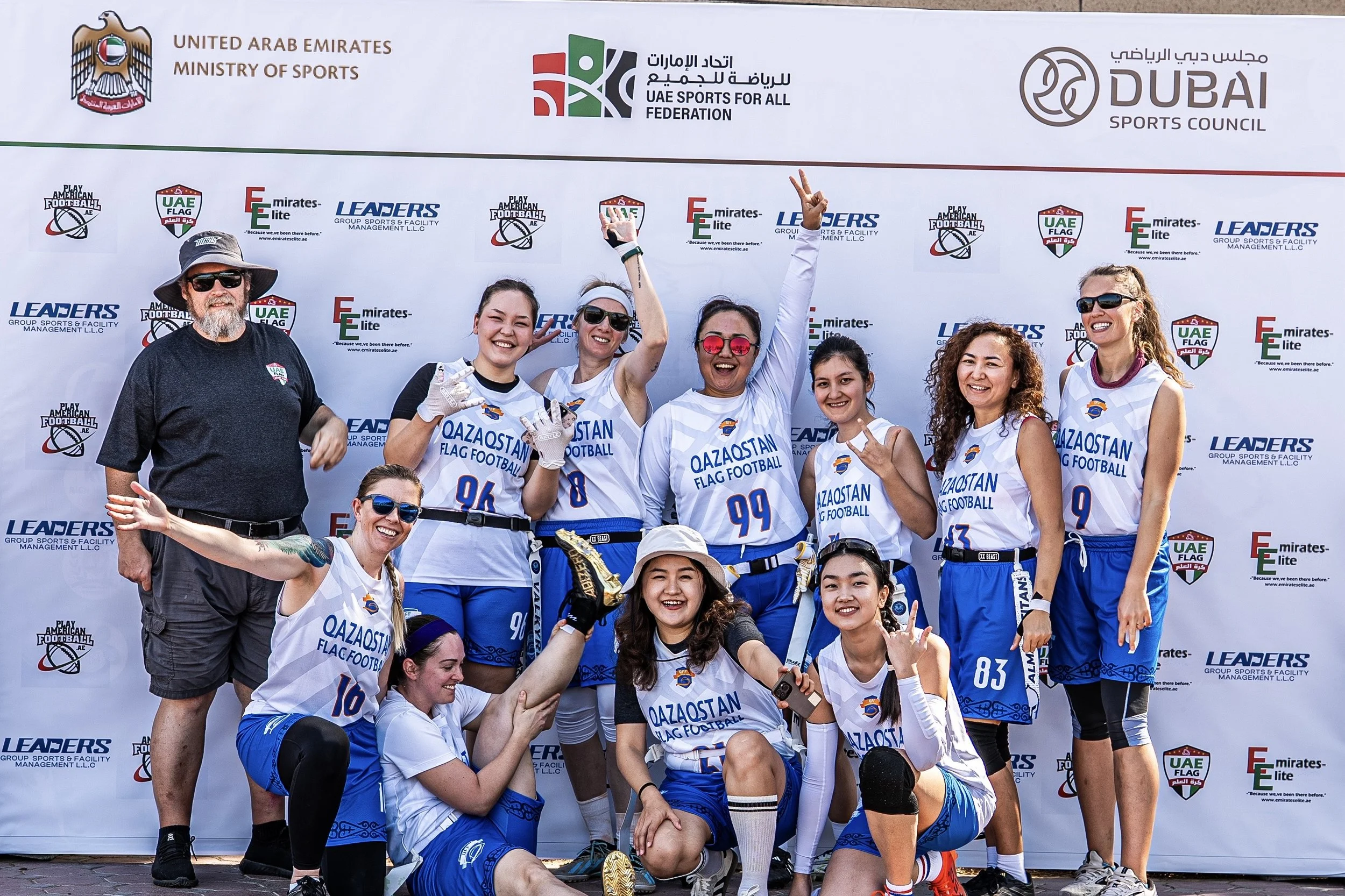
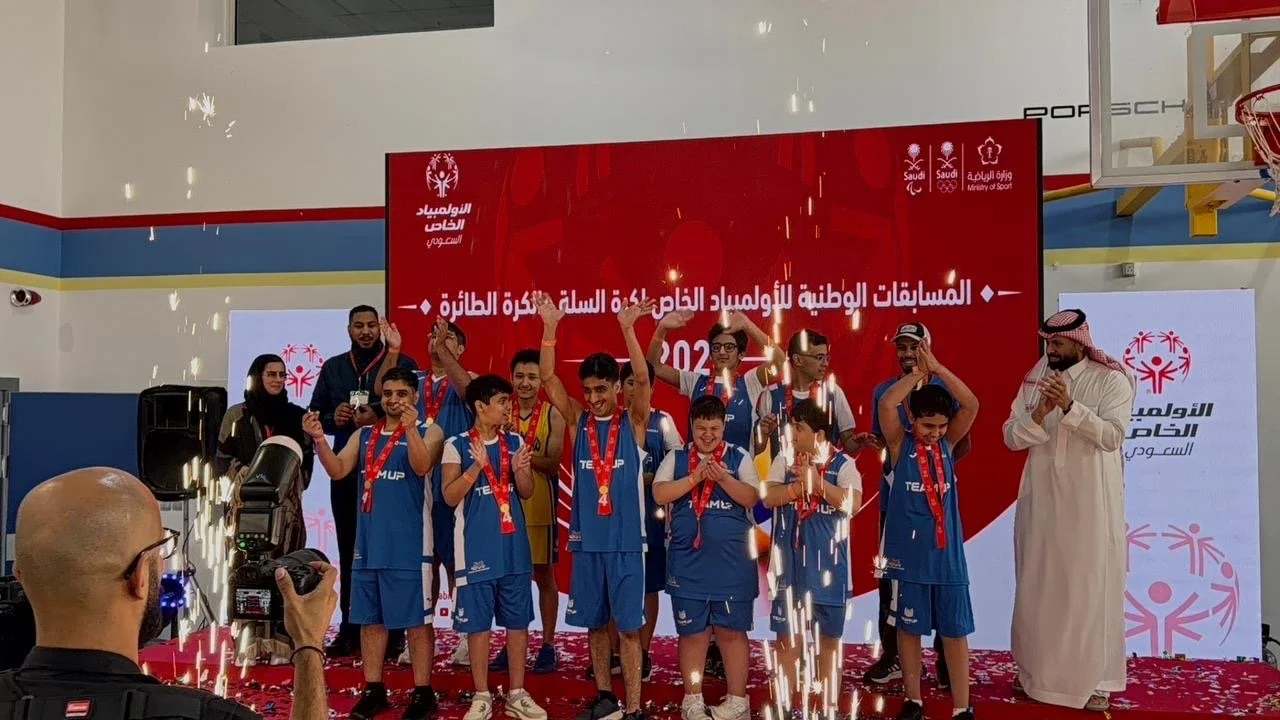
The new season also brings several exciting competitive opportunities. In September, two TeamUp athletes participated in the Special Olympics Swimming Competition in Riyadh. In October, the Senior Women’s Team and U13 Boys Team will make their first appearances in the Saudi National Basketball League. Then, in early December, TeamUp’s Girls Flag Football Team will compete internationally for the first time in Dubai.
With a broad range of programs, continued coach development, and teams entering new competitive environments, TeamUp is going into the 2026–27 season with a clear focus on providing quality sports experiences and creating new opportunities for athletes and coaches in the Jeddah community. GSP is proud to support Gonzalo and TeamUp as they continue building on this momentum.